When God’s Gift is “No”

Our guest blogger today is a dear friend and fellow author and speaker from San Diego, California, Cindi McMenamin. Cindi and I met at Mt Hermon Writer’s Conference the year she got her first book contract with Harvest House and we’ve remained encouragers and supporters of each others careers ever since. She interviewed me for stories in several of her books, and the secondary infertility story she shares below is in my book Dear God, Why Can’t I Have a Baby?

I know you are going to enjoy what she shares from her new book–
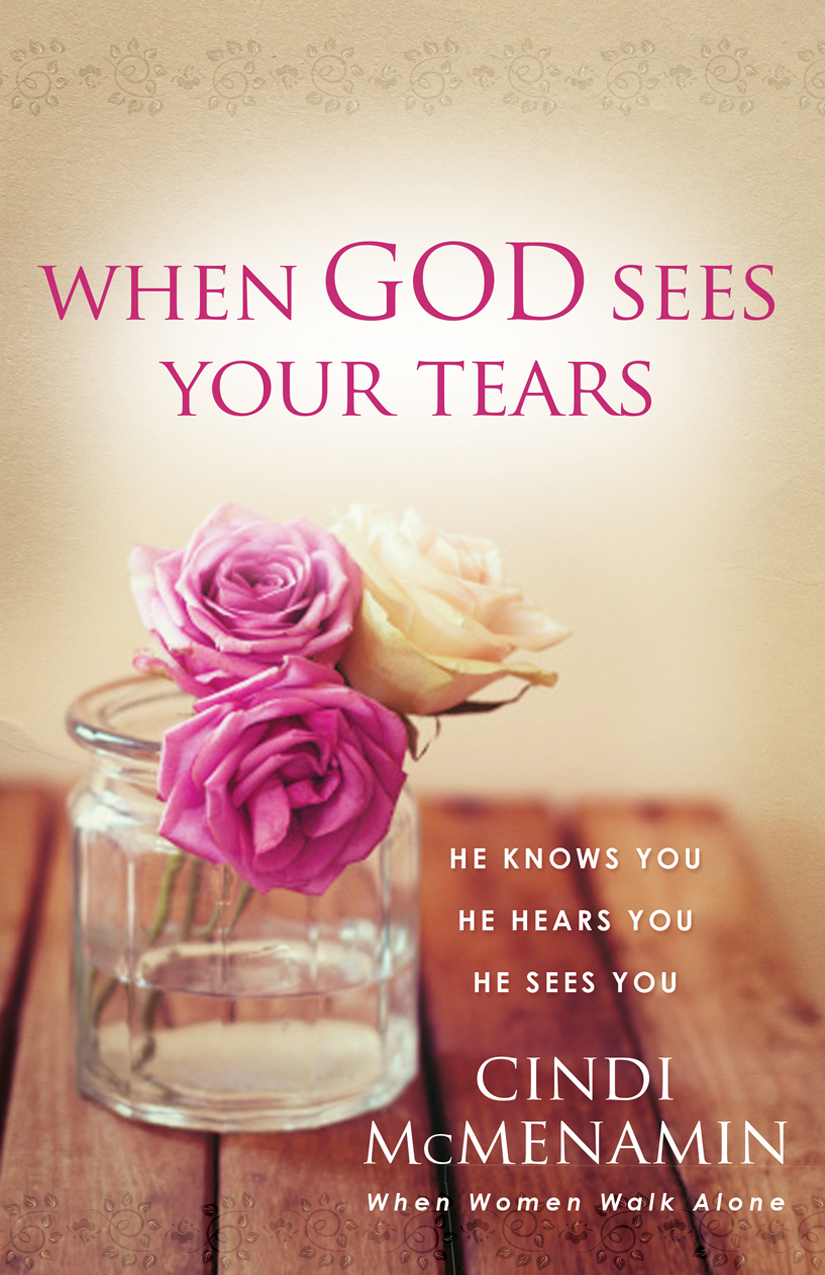
When God Sees Your Tears by Cindi McMenamin

When God Sees Your Tears by Cindi McMenamin

Do you know what it’s like to ask God for something and to keep receiving a “no”?

I do. And it hurts. But I’ve learned through the years that God’s “no” is often a gift greater than what I had originally asked for.

Whether I was trying to get a book published, trying to have a child, or trying to pry open a door of opportunity, every time I received a “no,” I later learned what God was really saying was “Wait, I have something far better for you than you thought to ask for.” Yet all I could see in front of me was a rejection letter. More waiting. Another closed door. Discouragement.

God’s Gift to Hannah was “No.”

Hannah, a woman we read about in the Old Testament, knew that discouragement, too. She longed to have a baby. Yet we find twice in the first few lines of her story that the reason for Hannah’s infertility was “because the Lord had closed her womb” (1 Samuel 1:5-6).

Ouch! Now, I would feel so much better if that sentence about Hannah read, “because she was unable to bear children.” But that verse specifically tells us that the Lord was the One withholding from Hannah the one thing she wanted most in life.

We’d like to think God is behind only the blessings we receive in life and, therefore, we have a hard time wrapping our minds around the possibility that God would allow—or even arrange—certain difficulties to come our way. Yet, that is one of the primary ways He—

  • awakens our need for Him,
  • grows our dependence on Him,
  • shapes our character,
  • and draws us closer to Him.

In Hannah’s case, she became so desperate to have a son that she poured out her heart to God in prayer, promising to give her son back to God if He would finally give her a child. It was then, after Hannah came to that place of complete surrender, that we read God’s gracious, yet timely, response: “And the Lord remembered her. So in the course of time Hannah conceived and gave birth to a son…” (1 Samuel 1:19-20).

Sometimes “No” means Wait

[Tweet “Sometimes “No” means Wait”]

Hannah got her long-awaited son, but years later than she had anticipated. The apparent “no” from God was really “wait.” And the wait turned out to be the best blessing of all. Hannah didn’t have just any baby. She had a son named Samuel who became one of Israel’s greatest prophets and priests. He anointed Israel’s first two kings and helped turn the nation’s heart back toward God. Wow! Hannah simply asked God for a baby. But God wanted to give her—and a nation—so much more than she asked. So He waited and did it in His timing, not hers.

Scripture tells us that God can do “all things. No plan of (His) can be thwarted” (Job 42:2). Scripture also tells us that “Every good and perfect gift is from above, coming down from the Father of the heavenly lights, who does not change like shifting shadows” (James 1:17 NIV). So if every gift is from God, and you’re praying for a “gift” and it’s not arriving, God is the One who is deciding to withhold that gift. And I have learned that some of God’s “gifts” are the very things He decides to withhold.

 [Tweet “some of God’s “gifts” are the very things He decides to withhold. “]

Sometimes “No” is a gift from God

God’s “gifts” sometimes take the form of difficulties, losses, frustrations, and outright pain. We don’t originally see them as gifts, but more like disappointments, aggravations, or even rejection. But they are gifts, nonetheless, that are given to us to grow us to a new level in our spiritual life or to prepare us for something better that God has in store for us; or perhaps to even help us see something extraordinary about God that we couldn’t see before.

I remember not wanting to accept one of the “gifts” God was giving me, primarily because I saw it as His withholding, not as His giving. I struggled with not being able to have a second child (what doctors now refer to as secondary infertility). It was a struggle because I remember “claiming” Psalm 84:11 as my promise that I would have another child: “No good thing will he withhold from those who walk uprightly (NASB).”

“Surely another baby is a good thing, God,” I prayed. “Certainly You will not withhold.” And yet, God did. Apparently, what God considered a “good thing” in my life was not birthing a second child, but birthing a writing and speaking ministry, instead. Although, at the time, I felt that God was withholding something from me, I can today see His withholding as a “gift” in terms of a different life direction that He had for me.

Through the years, I’ve seen repeatedly that God’s idea of a good thing—and ultimately what’s best for me in my faith walk with Him—may be completely different than mine. Although my opinion has often differed from God’s in His early stages of withholding something, I have learned not to question the wisdom and actions of an all-knowing, all-loving God who is much more capable of managing my life than I am.

I do not have a second child today because the Lord had closed my womb. But I could also say, “I am living the dream God has placed on my heart through my writing and speaking because the Lord had closed my womb.”

Because the Lord had . . .

I could give you a lengthy list of other “gifts” that I have received at God’s hand, but didn’t originally see as gifts because they all included the phrase because the Lord had…

           I didn’t marry Mike because the Lord had changed his heart.

           I lost a good friend, because the Lord had taken her away.

           I went through a season of loss, because the Lord had shut the door.

There are other ways of looking at those same “gifts” (or withholdings):

          I married Hugh because the Lord had changed Mike’s heart.

          I was spared further hurt, because the Lord had taken her away.

          I can minister to women today because the Lord had shut that door.

What because the Lord had phrases have affected your life and caused your tears to flow? Are you a woman who is where she is today . . .

                       because the Lord had closed that door?

                        because the Lord had changed his heart?

                        because the Lord let you get cancer?

                        because the Lord had not healed her?

Oh, my friend, God has His reasons for why He has allowed or prevented something from happening in your life. And it’s not because He wanted to punish you or make your life miserable. It’s not because He didn’t love you or didn’t care about you or didn’t hear your prayers. It’s very possible that He wants to bless you from another angle. And it’s very possible He wants you to realize that the one thing you need the most—your one missing piece—is Him.


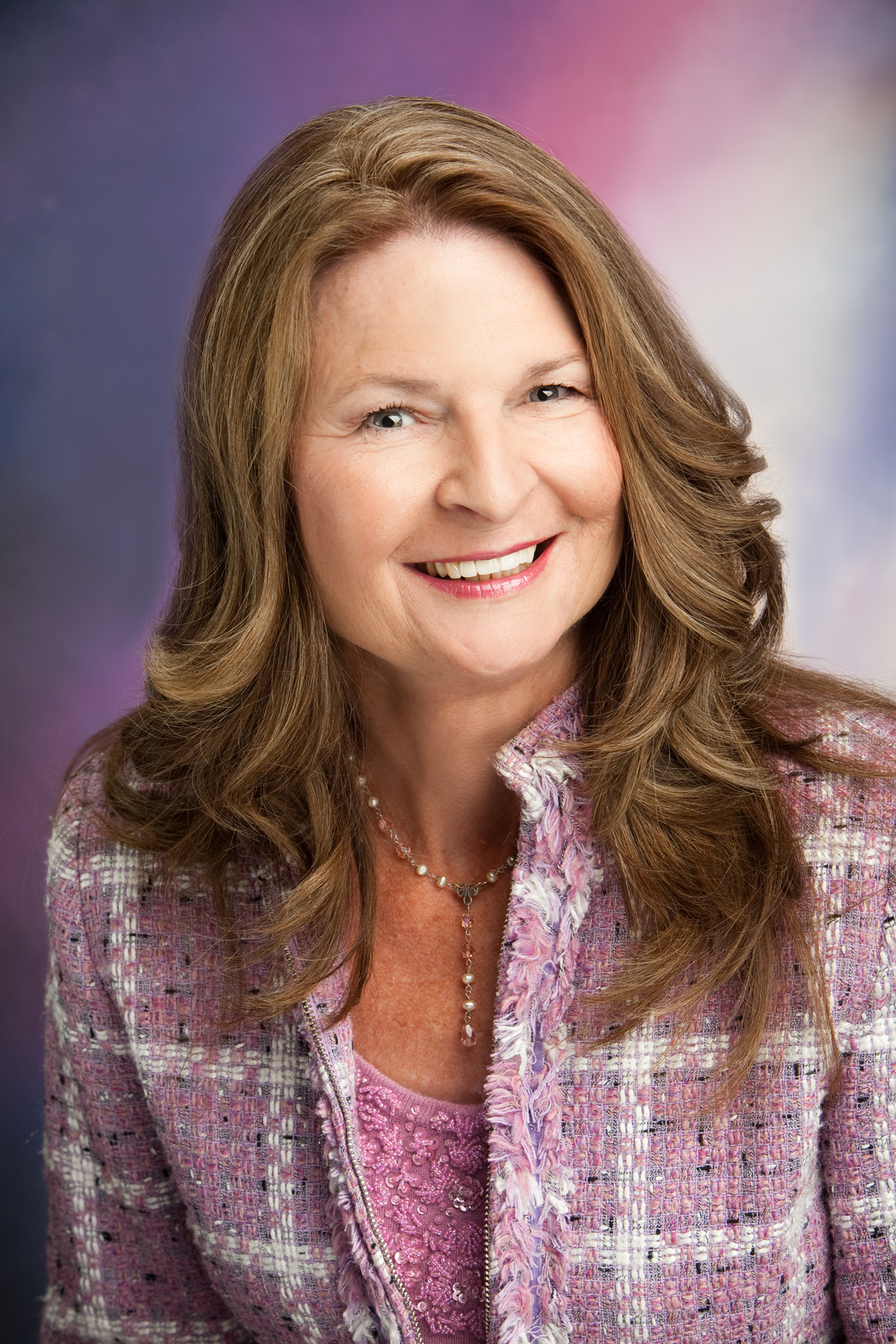
Cindi McMenamin is a national speaker and award-winning writer who helps women find strength for the soul. She is the best-selling author of When Women Walk Alone(more than 120,000 copies sold) and a dozen other books including When a Woman Overcomes Life’s Hurts, and her newest release, When God Sees Your Tears, upon which this article is based. For more resources to strengthen your soul, marriage, and relationships with God and others, see her website: www.strengthforthesoul.com.

View More: http://chelseamariephoto.pass.us/cindi

Return to top of page

After The Party for the Returning Prodigal . . .

Last month, Alycia Neighbours wrote a guest post, Never Stop Praying for Your Prodigal. In that article, Alycia shares her prodigal daughter testimony that touched many of my, and her, blog followers.

 
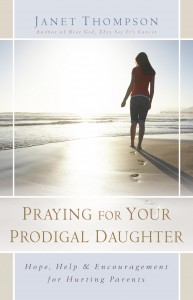
I opened that blog explaining that in my book, Praying for Your Prodigal Daughter: Hope, Help & Encouragement for Hurting Parents, Alycia’s mom, Chris Adams. shares the story of praying for her prodigal daughter. While I was writing the last chapter of the book, Alycia reunited with her family and I was able to include an excerpt from Chris’ journal of their reunion.

 
I asked Alycia if she would share what it was like when she returned after being gone for eight years, and how her twin-sister Amanda, felt about her return. Today Alycia and Amanda share with you the emotional rollercoaster of welcoming home a prodigal. As I read Alycia’s article, it confirmed everything I wrote in Section Five of Praying for Your Prodigal Daughter, “Welcoming Home Your Prodigal Daughter.” Remember, that everything in the book, as well as Alycia’s suggestions, also apply to a prodigal son.

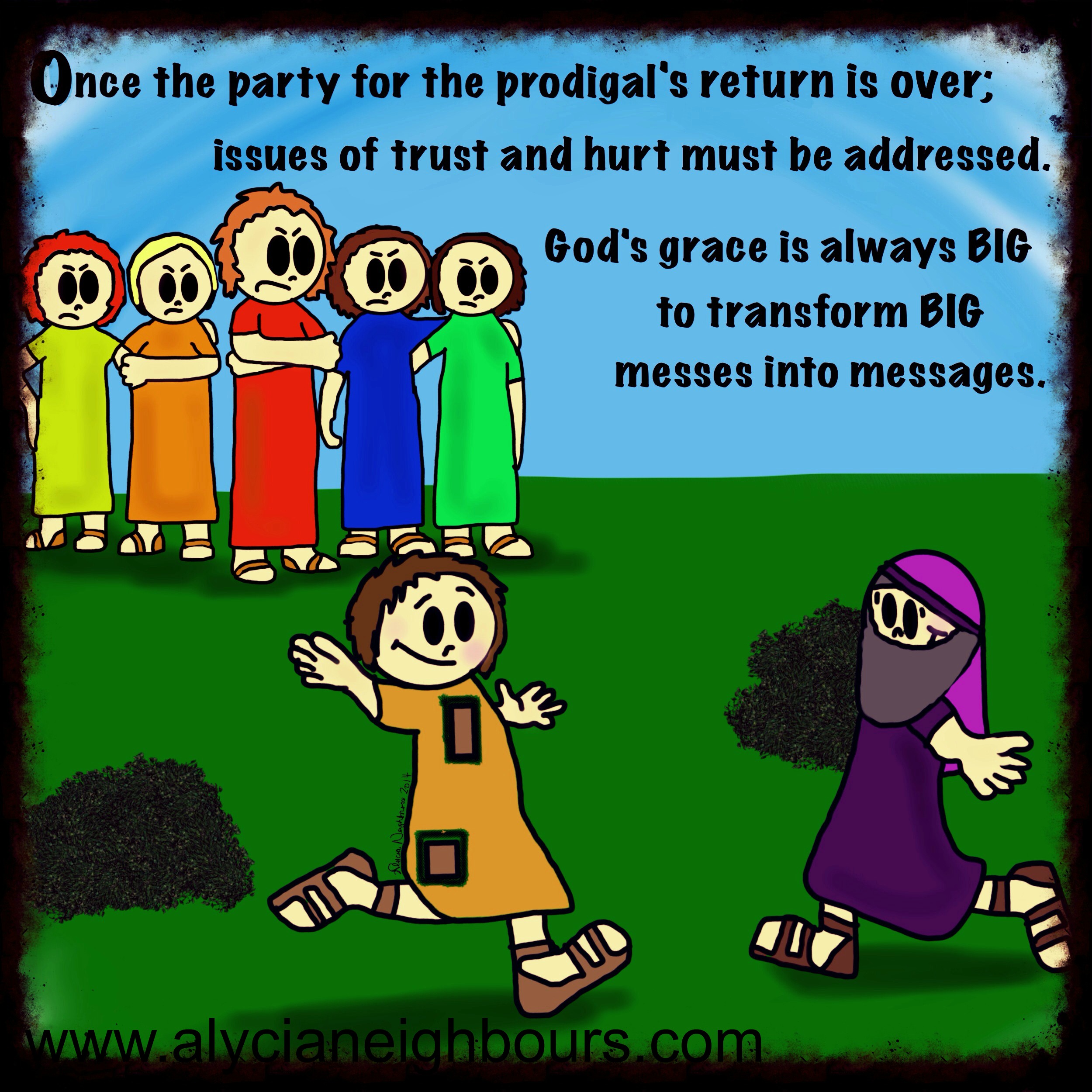
Alycia Neighbours prodigal home cartoon.= website

The prodigal has returned. Hugs, parties, and fatted calf are over—and now everyone sits back wondering, what next?

Not Everyone is Celebrating

In the parable of the prodigal son in Luke 15:11-31, Jesus tells the story of the brother who wasn’t happy watching all the celebration over the return of the “black sheep.” After all, he had been there all along, probably comforting his family, picking up the missing brother’s slack, and being the good reliable son.

I can’t tell you much of what happened after that Scripture story, but I can tell you that when I returned home as a prodigal, it wasn’t all parties and celebrations. It was hard for all of us. Major trust had been broken that needed restoring. There were hurt feelings that needed soothing. Anger needed releasing; forgiveness was going to be a long road.

I had changed. I was different. I was humbled.

[Tweet “Not everyone is happy when the prodigal returns”]

I wasn’t trusted. I had set off a grenade in my family and things weren’t going to just fall back into a normal pace—despite my desperate desire to be back in my family.

My twin sister was thrilled I was found, after she had made many dead-end searches; but at the same time, she was furious that I was home

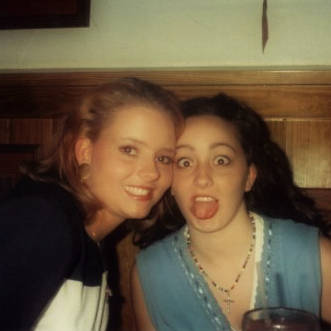
“It was trust. I didn’t trust that she wouldn’t run again, and then I am left with my parents destroyed AGAIN. She had run all her life. She had lied. What made this time so different? I couldn’t trust her, no matter how normal she seemed to be. I was the one always there for my parents. I did most everything right. Why were they so willing to accept her back? I was angry at her actions and her trying to prove she was a different person. She was missing for eight years, but she had been running long before that. I don’t know the pivotal point that made us closer again; but sometimes we fight (because we are sisters) and that anger and fear comes back.” – Amanda Dugger, my twin sister

Amanda and Alycia small

Amanda and Alycia

Restoration Takes Time

I couldn’t tell you the pivotal moment either. It just happened over a span of about seven years. It took years of being true to my word. The only time I ran was from my abusive husband; but this time, I ran to my family. I didn’t do everything right; there are many things I wish I could have had the foresight to see so I didn’t trip up again.

Many times since returning, I have had the urge to run again, but in a different direction. Now I run to my family and to God. Those I trust, believe in, and love.

[Tweet “Re-entry of a prodigal takes time.”]
There is a plot twist though. When my parents adopted Amanda and me, we had an older sister who remained with our biological family. I tracked her down, along with the rest of my biological family. I ended up hurting her too because I was hurting and needed to lash out at someone, and she was in my path at that moment. Presently, all relationships have been restored, but we will likely always be working at strengthening and learning to fully trust.

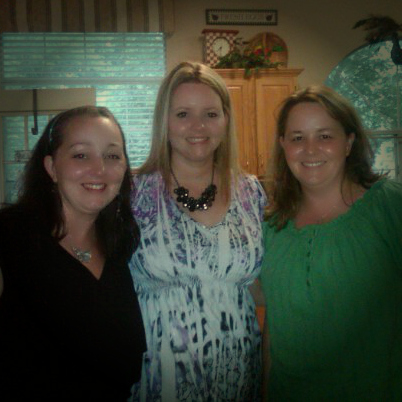
Twins and older sister

What I Want You To Take Away From My Story:

• Trust and restoration is possible, but it will take time. Be patient and honest with your feelings. Communication heals hurt. Your prodigal will want to prove herself/himself, but she/he is hurting too.
• Establish acceptable boundaries from the moment your prodigal comes home. Let her/him know what behavior is expected and not permitted.
• Expect the restoration process to be time consuming and emotionally consuming. Prayer is the only way to combat unexpected feelings that arise.
• Siblings and other family members affected by the prodigal should be encouraged to reunite on their own timetable. We all arrive at trust when it feels right and we feel God’s nudge.
• Just like the prodigal in Scripture who came groveling to his father, your prodigal is probably humbled, ashamed, and emotionally distraught over her/his actions. Show compassion because just like your heart is broken, hers/his is too. At first, be gentle even when you don’t feel like it. Later, you can discuss the tougher subjects. Just love your prodigal.
• Triggers that caused them to run in the first place may make your prodigal feel the need to run again. Try right away to identify these triggers, respect that they are an integral part of your prodigal’s psyche, and work as a team to acknowledge, validate, and work through the triggers so she/he can feel secure that she/he has truly found her/his way back home.

[Tweet “Show your returning prodigal unconditional love”]

__________________________

Thank you again Alycia for your openness and willingness to share your story to help other parents and prodigals. You can read more of Alycia’s story in Praying for Your Prodigal Daughter.

Return to top of page

Hug An Infertile Couple This Week


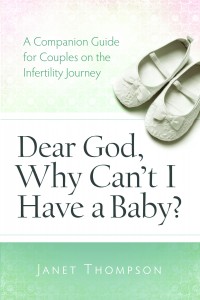
Dear-God-Why-Cant-I-Have-a-Baby11-200x300

You may not have April 20-26 marked on your calendar as National Infertility Awareness Week, but 1 in 6 couples check their calendar frequently to see if they’re pregnant or how long it’s been since they filed adoption papers or when will the infertility tests be back . . .

An Ignored Group

With millions of couples experiencing infertility, a large percentage of the population feel shunned. Yet, you probably know someone dealing with infertility in your neighborhood, your church, your family, your friends, your co-workers . . .Maybe it’s you struggling to become a mommy or experiencing secondary infertility and know what it’s like to feel invisible in a group.

Many of the “mommies-in-waiting” sharing their stories in my book, Dear God, Why Can’t I Have a Baby? A Companion Guide for Couples on the Infertility Journey expressed the sorrowful complaint that they felt ignored by friends and family, even in the church–especially in the church.

Often we ignore the infertile couple because we don’t know what to say to them. Or the infertile couple doesn’t talk about their painful situation because people say hurtful things.

People Say The Darnedest Things!

Your loved ones will say all the wrong things. All of us who have gone through infertility agree on this point.—Laurie, A Mommy-in-Waiting

Dear God,

People keep asking when we’re going to start having children, as if I’m making a conscious decision not to! I try shrugging it off with an answer that we probably will “someday.” Inside, I’m dying. Why are people so insensitive and why do they feel it’s ok to ask something so personal? Everyone seems to think they’re a doctor and they know the answer to my infertility. Then the advice . . . the number one thing everyone seems to say is, “Oh, you just need to relax.” Or “You’re young; you’ve got plenty of time.” UGH!!! Help, God, they’re killing me!

Wounded by Words, Kim

Kim is my precious daughter whose struggle with the heartache of infertility was often intensified by well-meaning—yet wounding—words. Many infertile couples’ stories mention how thoughtless and hurtful people’s comments and advice can be. Debbie wrote, “I’ve experienced people in the church say some of the worst things ever to me with every good intention. Probably one of the most insensitive and painful is, ‘Maybe God never meant for you to have children.’”

You can be sure thoughtless, hurtful comments aren’t from God, who instructs: “Kind words heal and help; cutting words wound and maim” (Proverbs 15:4 MSG).

10 Things Not To Say or Do To Someone Experiencing Infertility

I believe in the front of every church directory there should be a list of things that you shouldn’t say to people during times of grief, just like emergency preparedness in the front of the phone book.—Debbie, A Mommy-in-Waiting

Most people don’t mean to be hurtful: they innately want to say and do the right thing. They offer a cliché or something that minimizes your situation or feels patronizing because they’re uncomfortable being around someone suffering. Here are ten helpful tips from Mommies-In-Waiting:

DON’T…                                                                               DO…

1. Talk about people you know with infertility.                    1. Let me talk about mine and listen

2. Tell me God is in control, or has a plan.                            2. Show me God’s love.

3. Tell me to pray harder.                                                      3. Pray for and with me.

4. Pity or patronize me.                                                          4. Show compassion.

5. Avoid me. It makes me feel rejected, different.                5. Keep normal contact with me.

6. Tell others, unless you have asked permission.                 6. Honor my privacy.

7. Offer unsolicited advice or suggestions.                            7. Support my choices.

8. Resent how my infertility affects you.                               8. Remember, this is about me.

9. Ask personal questions or give advice.                              9. Curtail curiosity.

10. Assume it’s a “female” problem.                                     10. Respect it’s personal.

Suggested Responses for the Infertile Couple

We will speak the truth in love.Ephesians 4:15 (NLT)

Following are frequent unwelcome comments and suggested responses. Non-satirical humor often defrays uncomfortable situations. Your goal isn’t to offend or embarrass the person. The responses shouldn’t be said sarcastically, defensively, or angrily. Use this as an opportunity to be a good witness:

1. “When are you two going to start a family?”

Response: What makes you think we’re not trying?

2. “You just need to relax, take it easy, rest more, or take a vacation.”

Response: Then I might have two problems—no baby and no job!

3. “You aren’t getting any younger!”

Response: Are you fishing for an invitation to my next birthday party?

4. “You’re young, you have plenty of time.”

Response: Time is the one thing we have too much of now.

5. “You should take________”—they name some food, herb, or drug.

Response: I’ll check with my doctor about that.

6. “You should try_______”—they suggest some sexual position.

Response: You mean we’re supposed to have sex?

7. “We need grandchildren.”

Response: We need to be parents first.

8. “There must be some hidden sin in your life.”

Response: Jesus forgave my sins when I became a Christian.

9. “You aren’t praying hard enough.”

Response: Are you offering to pray for us?

10. “If God wanted you to have children, you would.”

Response: Ouch! That hurts.

Remember: Words kill, words give life; they’re either poison or fruit—you choose (Proverbs 18:21 MSG).

*Some excerpts from Dear God, Why Can’t I Have a Baby? A Companion Guide for Couples on the Infertility Journey

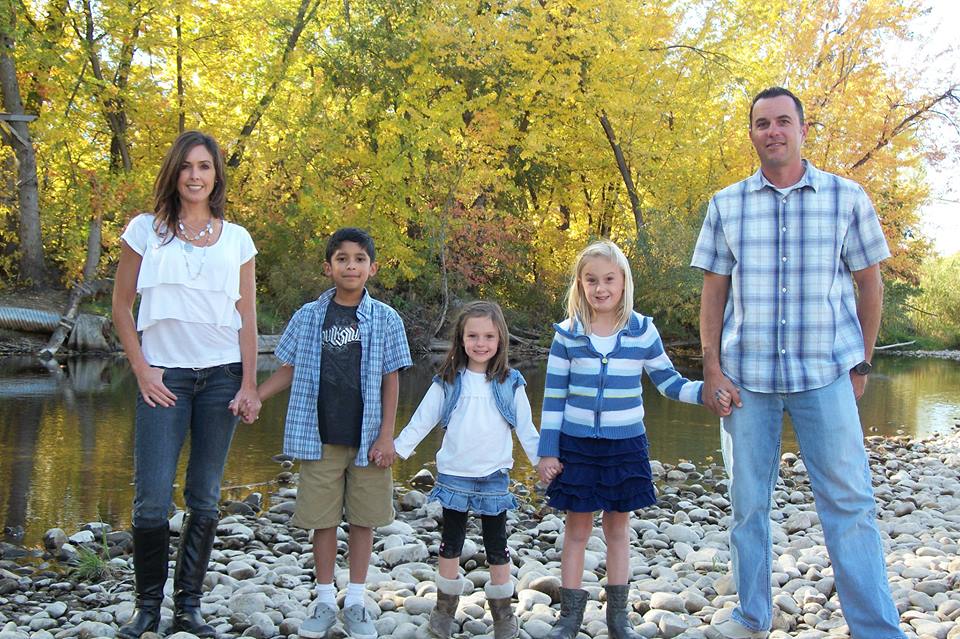
Kim's family 2014Daughter Kim’s family today! Thank you Lord for these 3 precious blessings

Return to top of page

Worry’s Growl

Thanksgiving is barely over when the pressure of Christmas and the month of December descends upon us. This seemed like a perfect time to introduce my readers to my dear friend and fellow author, Kathy Collard Miller, and her new book Partly Cloudy and Scattered Worries.

Partly  Cloudy

By guest blogger, Kathy Collard Miller

I headed out on my jog, evening the storm clouds that threatened rain above me. Oh, I so want to run, and I can’t run tomorrow. I’ve got to do it right now even if it rains. But by the time I’d run a mile, the drops started and got bigger and bigger.

Oh. I’m so disappointed, I mourned, as I turned and headed back. But then, a new resolve overwhelmed me. By golly, I’m going to run even if I get wet. It’s just too important for my health.

I continued running and the drops fell continually but were not drenching. As I ran, the rain slackened, yet clouds off in the distance were a dark, threatening color. Will it hold off? By the time I’d passed my three-mile mark, the sprinkles stopped, and when I looked up at the sky, the dark clouds were gone. Where did they go? I turned to look for them, but they had dissipated, though the sky was still overcast.

For the next two miles, no rain fell. As I reached the last half mile, the storm clouds opened up again and my clothes were reaching the wet category. But I didn’t care that my hair was wet; it had been an exhilarating run. Walking for my cool-down, a few rays of sun broke through the clouds, splashing the luscious, colorful hues of a rainbow across the sky. Wow. I would have missed it if I hadn’t risked getting wet.

My run could have been a really unpleasant experience but the warning of rain had turned out to be a worse threat than the actual rain. In the end, I was rewarded with a beautiful rainbow that I would have missed had I not run.

That day as I ran, I saw an analogy to worry. Its growl is worse than its bite. Worry can easily cause us to focus on disaster while taking away our ability to trust God. Yet even if what we fear happens, it’s often not as bad as we thought it would be. We might even experience the “rainbow” of God’s blessings in some unexpected way.

BOOK SUMMARY AND AUTHOR BIOGRAPHY:

It is possible to worry less through trusting God more. Regardless of the storms of trials, temptations, worry, uncertainty, confusion, or regrets that you’re facing, you can trust God more. Partly Cloudy with Scattered Worries offers a conversational style, personal testimonies, practical illustrations, and solid biblical teaching for breaking anxiety and the devastating effects of worry. Each chapter includes Discussion Questions for individuals or groups, along with a “Letter from God.” In addition, a profile of a woman in the Bible who struggled with or experienced victory over worry is featured in each chapter to inspire every reader to see God’s hand in her life.

Kathy Collard Miller is a speaker and author. Her passion is to inspire women to trust God more. She has spoken in 30 states and 7 foreign countries. Kathy has 49 published books including Women of the Bible: Smart Guide to the Bible (Thomas Nelson) and she blogs at www.KathyCollardMiller.blogspot.com. Kathy lives in Southern California with her husband of 43 years, Larry, and is the proud grandma of Raphael. Kathy and Larry often speak together at marriage events and retreats.

 Miller promo photo jpeg (2)

Return to top of page

Mother’s Day: Happy or Hurting

“I hate Mother’s Day!” said my dear friend who is longing for a baby. “You know that women struggling with infertility don’t go to church on Mother’s Day.” Kris agrees, “I was that mom-in-waiting for 16 years; I stayed away from baby showers, church, and friends who would get pregnant. I didn’t stop praying, but it WAS the worse pain.” Lisa concurs, “I am guilty of having skipped church a few years before we adopted my son.”

In my book, Dear God, Why Can’t I Have a Baby? A Companion Guide for Couples on the Infertility Journey, my own daughter wrote about her painful Mother’s Day experience:

Dear God,

It’s almost Mother’s Day and I don’t know if I can handle seeing all those happy moms at church and brunch. I’m trying to focus on my mom and not think about how I’m missing out on being a mommy on yet another Mother’s Day. This year is especially hard since we’ve been trying to be parents for so long and so hard, only to be repeatedly disappointed. At the store looking for a card for my mom, I see the cute cards at the end of the aisle “To Mommy”…oh God, I wish I were someone’s mommy! I look away and continue focusing at the task ahead, getting my mom and mothers-in-law their cards.

Today’s the day, it’s Mother’s Day. I don’t think I can bear it. It’s just begun and already I want this day over. I pull myself out of bed and get ready for church. I’m not looking forward to the sermon about children being a blessing and honoring mothers. God, help me focus on my mom.

We met my parents at church and I put on my happy face, when inside I was crying watching all the mothers with big smiles dressed in pretty spring dresses and children running all around. This was a day of celebration and I just wanted to go back to bed. The pastor started the message with asking all the mothers to stand up. Hundreds of women stood and everyone applauded. I couldn’t take it any longer and sat slouched over in my seat quietly crying. Toby put his arm around me and my mom held my hand, but nothing took away the pain. I barely heard the rest of the message.

After brunch, I came home, collapsed on my bed, and cried myself to sleep where I remained the rest of the day. God, please don’t make me go through another Mother’s Day with this hole in my heart. I want to stand up in church with all those other mothers beaming from ear to ear and have everyone applaud me. God, please let me stand up next year.

Mother’s Day is especially hard for mommies-in-waiting, but for most of these women, every day is hard. With 1 in 6 couples experiencing infertility, you are, or know, a woman experiencing this heartache. Often we don’t know what to say to them, so we say nothing, or maybe unintentionally say something that makes them feel worse. Kris, who I mentioned in the opening paragraph, says, “We cannot ignore them [women longing for a child]. I know how hard it was for people to talk to me. But I would have loved it if they did.”

In Dear God, Why Can’t I Have a Baby?, I offer tools to help you know the “Top Fifteen Things Not to Say or Do And To Say or Do to Someone Experiencing Infertility.” This list is also on the Infertility Support page on my website.

When I was writing the book, women often told me that the place they felt the loneliest was the church. That breaks my heart.  Jesus said he came for the sick, and that includes heartsick. The church should be a safe place for the hurting, not a place where they feel shunned or outcast.  How does your church comfort mommies-in-waiting on Mother’s Day and every day?

Mothers of Prodigals

Another group of women who will be hurting on Mother’s Day are the mothers of prodigals. They may not even know where there child is, or know all too well where they are and what they are doing that breaks a mother’s heart and the heart of God. These moms also need comforting, a hug, a reminder that this day is for them too and they are not forgotten or ignored.

I was that hurting mom and in Praying for Your Prodigal Daughter: Hope, Help & Encouragement for Hurting Parents, I tell the story of praying daily that my daughter would find her way back to God, and six years later, she did. This Mother’s Day weekend she and I will be sharing our story at a Mother/Daughter tea. I’ve had a vision of us doing this for many years and prayed expectantly that God would bring my dream to life, and He has.

And Kim who was that heartsick mommy-in-waiting on Mother’s Day is now blessed with a family, but when we speak to the women God brings to this Mother’s Day Tea, neither of us will ever forget what it felt like to be hurting on Mother’s Day. We will speak with caring and compassion a comforting message of hope in God’s plan and timing. We won’t ignore these women, we will love on them!

I hope that you will do the same for the mommies-in-waiting, the moms of prodigals, or the moms who have lost a daughter or a son who may need a shoulder to cry on . . . a prayer . . . an understanding hug. If you’ve been where they’re at, mentor them like only someone who has been in their shoes can. If you haven’t been in their shoes, just let them know you can’t possibly understand, but you’re there for them and God is too!

Therefore encourage one another and build each other up, just as you are already doing.”—1 Thessalonians 5:11 (NLT)

NOTE: Besides not knowing what to say, many of us don’t know what to give a mommy-in-waiting or a mom of a prodigal, and so we usually give them nothing. The books I have written for these women are full of hope and encouragement from the voices of other women who have walked the same journey, as well as from God’s Love Letter.  So for the month of May I’m running a sale on my website for Dear God, Why Can’t I Have a Baby? and Praying for Your Prodigal Daughter. Another helpful book might be Face-to-Face with Sarah, Rachel, and Hannah: Pleading with God. I will sign and personalize each book.

Return to top of page

An Opportunity to Share Your Story

I’m writing two new Face-to-Face Bible studies and am seeking true stories. Here is what I’m looking for:

1. If you’ve been a mentor, or been mentored by a family member–especially looking for stories of grandmothers and mothers, but any family relationship would be considered.

2. A time when you pleaded with God.

If you would like to know more leave a comment here and we can connect and I can give you more information.

Return to top of page
Return to top of page · Copyright © 2026 Crown Laid Down Designs All Rights Reserved · Our Privacy Policy