Climate Change Won’t Kill You, but Moral Change Will

Climate change won't kill you but moral change will

Today, many are calling it a “moral obligation” to warn us about climate change before it “kills us.” But these are some of the same people who advocate legalizing immoral change destroying our country. They have no concern for killing babies, every second of every day; in fact, they champion it, but stop eating hamburgers now! That’s their real concern.

[Tweet “When’s the last time you heard a pastor speak on Romans 1:18-32 and speak about the truths of God’s anger toward sin?”]

Our pastor recently spoke on Romans 1:18-32. When’s the last time you heard a pastor speak about the truths of God’s anger toward sin, many of which our culture idolizes and tries to force on us as “tolerant” and acceptable. God is never tolerant or acceptant of sin. Never! I put a link to these verses because I want you to go read them and then think about the moral change happening in our country today.

You can’t study the great Book of Romans without addressing these verses, and yet many churches, pastors, and Christians are not only ignoring them, they’re trying to whitewash them out of the Bible. God’s Words ignored because the world tells us they’re irrelevant and don’t actually apply to a 21st Century culture or even worse that they’re “hate speech!”

[Tweet “God’s Words ignored because the world tells us they’re irrelevant and don’t actually apply to a 21st Century culture or even worse that they’re “hate speech!””]

Many have applauded my last few blogs, and others have said I’m preaching to the choir. Well that’s exactly who I want to reach. I want the “choir” to get out of their safe pews, take off their protective, comfy choir robes, move out of the safety of like-minded people groups, and take a stand for God’s Words and God’s ways before moral change completely envelops our country.

[Tweet “Today the biggest problem facing America is how humans are redefining morality not how humans are changing the climate.”]

Today the biggest problem facing America is how humans are redefining morality, not how humans are changing the climate.

In my blog, 5 Examples of How to Join God in Bringing Good out of Evil, I made the point that everyone knows right from wrong and has a conscience. People who are doing wrong, know that it’s wrong, but they do it anyway for any variety of reasons: greed, power, social pressure, self-gratification.

[Tweet “People who are doing wrong, know that it’s wrong, but they do it anyway for any variety of reasons: greed, power, social pressure, self-gratification.”]

Romans 1:18-23 (NLT) reminds us that every living human being has to acknowledge God. Even those who are so worried about the climate change are looking at the air they breathe, the forests, the water, the animals . . . and so: 19 “They know the truth about God because he has made it obvious to them. 20 Forever since the world was created, people have seen the earth and sky. Through everything God made, they can clearly see his invisible qualities—his eternal power and divine nature. So they have no excuse for not knowing God.

Yes, they knew God, but they wouldn’t worship him as God or even give him thanks. And they began to think up foolish ideas of what God was like. As a result, their minds became dark and confused. 22 Claiming to be wise, they instead became utter fools. 23 And instead of worshiping the glorious, ever-living God, they worshiped idols made to look like mere people and birds and animals and reptiles.”

So anyone who doesn’t acknowledge God and his ways, leaves himself or herself wide open for Satan to take hold of their mind, will, and actions. They become dark and confused . . . “utter fools” . . . which aptly describes many of the secular population.

[Tweet “Anyone who doesn’t acknowledge God and his ways, leaves himself or herself wide open for Satan to take hold of their mind, will, and actions. They become dark and confused.”]

And don’t we see a flood of dark, confused, “foolish ideas” today. We’re baffled how adults can actually champion with a straight face the absurdity of “the new green deal” with no cows, no planes only trains, every building in America rebuilt and on and on…and if you don’t get on board you’re going to die in 12 years, which was also predicted in 1989, 1999, and will still be “12 years” in 10 years from now! Foolish!

Or foolish talk of Socialism for America. Or defending and lying about an illegal coup to take down a duly elected president. Or an actor who gets away with a sloppy contrived hate hoax. Or rich parents thinking they’ll never get caught cheating their children’s way into college. Foolish! Dark!

[Tweet “How deceived the churches, denominations, pastors, and Christian speakers/authors who are foolishly ignoring Romans 1:24-32 and trying to convince us that these sins aren’t really sin”]

But what about the foolish confused churches, denominations, pastors, and Christian speakers/authors who are foolishly ignoring Romans 1:24-32 and trying to convince us that these sins aren’t really sin. I just read an article “French bishops spokesman calls homosexual relationships ‘something of God’. Here’s what God’s something says about it:

24 So God abandoned them to do whatever shameful things their hearts desired. As a result, they did vile and degrading things with each other’s bodies. 25 They traded the truth about God for a lie. So they worshiped and served the things God created instead of the Creator himself, who is worthy of eternal praise! Amen. 26 That is why God abandoned them to their shameful desires. Even the women turned against the natural way to have sex and instead indulged in sex with each other. 27 And the men, instead of having normal sexual relations with women, burned with lust for each other. Men did shameful things with other men, and as a result of this sin, they suffered within themselves the penalty they deserved.

Since they thought it foolish to acknowledge God [and the way he created them sexually] he abandoned them to their foolish thinking and let them do things that should never be done. 29 Their lives became full of every kind of wickedness, sin, greed, hate, envy, murder, quarreling, deception, malicious behavior, and gossip. 30 They are backstabbers, haters of God, insolent, proud, and boastful. They invent new ways of sinning, and they disobey their parents. 31 They refuse to understand, break their promises, are heartless, and have no mercy. . . .Worse yet, they encourage others to do them, too. Romans 1:24-32 NLT

So what are we to take from these verses that describe the same world today that Paul described in Rome? And almost every family today has one of these issues described in the above verses. God says he doesn’t release people to sin, but if they won’t listen to him, he does withdraw his loving restraint. (Romans 1:24) Like so many claim today, they do have a choice and a right to do what they want, and God will let them make that choice, but He’ll also let them suffer the consequences.

[Tweet “Like so many claim today, everyone has a choice and a right to do what they want, and God will let them make that choice but He’ll also let them suffer the consequences.”]

So does that mean we should give up on them? Absolutely not! But it does mean that we don’t get caught up endorsing what God calls wicked by redefining sin. That’s not helping them. If we say that because we love someone it means their sin is Okay, we’re essentially giving up on them and their eternal salvation.

[Tweet “If we say that because we love someone it means their sin is Okay, we’re essentially giving up on them and their eternal salvation.”]

C.S. Lewis summed it up this way: “There are only two kinds of people in the end: those who say to God, ‘Thy will be done’ and those to whom God says, in the end, ‘Thy will be done.’ All that are in Hell, choose it. Without that self-choice there could be no Hell.”

I would add that all who are in Heaven choose it too.

Climate change is nothing compared to eternity in Hell. That’s what kept me on my knees praying for my daughter, and I hope there’s someone you’re staying on your knees for too. Because if you’re truly a Christian, you know that Heaven and Hell are real. Pastor Greg Laurie recently wrote a devotional where he said:

“I want to do everything I can to warn everyone I know so they won’t end up in that horrible place. Tell them about what Christ has done for you. Tell them about the hope of Heaven. Tell them about the forgiveness of sin. And tell them what the repercussions are if they don’t believe. Don’t leave that out. Don’t dilute it. We have the hope of Heaven, but we don’t want anyone to go to Hell.”

But let’s make that clear. “You don’t get to Heaven by living a good life. And you don’t end up in Hell by living a bad life. Heaven is not for good people; Heaven is for forgiven people. Everyone who turns from their sin can go to Heaven. This is why God sent His Son, Jesus, to die for us on the cross.”

[Tweet “We’re not helping or showing love to anyone when we condone their sin. And much of what the world endorses, God condemns. “]

This is why we celebrate Easter. This is the message churches should be sharing. We’re not helping or showing love to anyone when we condone their sin. And much of what the world endorses, God condemns. And so should we. When immoral evil is condoned and legalized, as Christians we don’t tolerate it or obey it. We fight it with everything we have in us.

O.S. Hawkins says in his book The Believer’s Code: “Yet the Bible gives clear instructions: we are compelled to disobey civil law when it is in direct opposition to God’s laws.”

[Tweet “Today, you will be called all sorts of horrible names when you don’t go along with immoral laws. But so what?”]

Today, you will be called all sorts of horrible names when you don’t go along with immoral laws. But so what? Jesus said: “Remember what I told you: ‘A servant is not greater than his master.’ If they persecuted methey will persecute you also. If they obeyed my teaching, they will obey yours also” (John 15:20).

If we offend with the Gospel, then Glory be to God. Hardships and persecution are all part of a life devoted to Christ.

[Tweet “If we offend with the Gospel, then Glory be to God. Hardships and persecution are all part of a life devoted to Christ.”]

Don’t shy away from calling sin a sin. Even in our own lives. We sin too. Hopefully, not in the ways described in Romans 1:18-32, but in other ways unpleasing to God.

[Tweet “Don’t feel like you have to defend God. He can defend himself. He’s made his presence known to everyone, some just choose to ignore him”]

Don’t feel like you have to defend God. He can defend himself. He’s made his presence known to everyone, some just choose to ignore him. But God is always good in His invitation: His call to everyone is to repent and be saved. Not saved from climate change, but from moral change.

[Tweet “But God is always good in His invitation: His call to everyone is to repent and be saved. Not saved from climate change, but from moral change.”]

John 3:18 says,  “Whoever believes in him is not condemned, but whoever does not believe stands condemned already because they have not believed in the name of God’s one and only Son.”

It’s not just that someone is a sinner; it’s that he or she rejected God’s solution to moral change in his or her own life.

“God is saying, ‘I love you. I don’t want you to go to Hell. I put My own wrath on my Son, whom I love, so you can be forgiven.’ That rejection of Jesus is what brings judgment. It isn’t going to be a sin question in the final day. It’s going to be a Son question: What did you do with Jesus?” Pastor Greg Laurie

[Tweet “The most loving thing you can do as a church and as Christians is to not give up on someone you know who has rejected Jesus. Climate change is nothing compared to an eternity separated from God.”]

The most loving thing you can do as a church and as a Christian is to not give up on someone you know who has rejected Jesus. Climate change is nothing compared to an eternity separated from God.

If you received this blog by email, please leave a comment here.

If you haven’t already read last week’s post, Why You Should See #Unplannedmovie.

If you haven’t seen Unplanned, please go see it and take someone with you. Lives are depending on the truth of the immorality of abortion to be known.

Return to top of page

In Today’s Culture, I Might Have Been Aborted

In Today's Culture I Could've Been Aborted

“I wouldn’t have had you if I knew I would be passing on health issues to you!” My mom said to me.

As states are rapid-fire passing abortion laws that allow babies to be aborted for any “health” reason, even up through and after delivery, my mother’s words echo in my mind. I was just a young girl and I tried to frame her words in love. But I wondered then, as I do now, why wouldn’t she want me? Were her words coming from a point of regret or concern about my future? She’s gone now and I never asked.

[Tweet “Ultrasounds have made strides in helping to determine when a heart starts beating as new parent’s excitedly watch the development of their baby in mommy’s tummy.”]

Ultrasounds have made strides in helping to determine when a heart starts beating as new parents excitedly watch the development of their baby in mommy’s tummy. There are so many benefits of ultrasounds, especially in letting hesitant mommy’s know their baby is not just tissue or a fetus, but a kicking, smiling, yawning, sleeping, squirming baby boy or girl.

Ultrasounds and amniocentesis also detect early developmental issues. Often a baby’s life can be saved by intrauterine surgery or detecting that the mommy needs to be on bedrest.

[Tweet “Before ultrasounds detecting problems babies would have a chance at life. Today doctors encourage fearful parents to abort “and try again.””]

But these same tests can detect problems that can’t be treated until the baby is born, or maybe not treatable ever.

Before intrauterine technology, those babies would have a chance at life. Today doctors might encourage fearful parents to “abort and try again.” Even though we read story after story of the doctor and the tests being wrong and a beautiful baby boy or girl surprises everyone. A baby almost killed because he or she might not be perfect.

I would’ve been one of those imperfect babies.

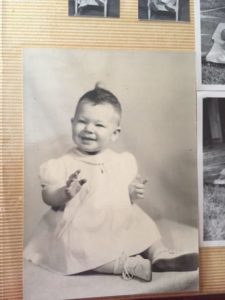
Today’s technology could probably detect that I would have a spine with severe debilitating congenital scoliosis. Doctors might have told my first-time parents that without treatment I would be deformed and why not “get rid of me and try again for a better baby next time.” But my mom was pregnant before ultrasounds. Parents had to anxiously wait until their baby was born to even know if they were having a boy or a girl. So I lived.

But as I grew, my mother continually told me to stand up straight and had me standing for hours with my back against the wall hoping my spine would straighten on its own. But it only got worse until doctors told her if I didn’t have surgery to put a metal rod down my spine or be put in traction and wear a plaster cast from just under my ears to my hip bones until I finished growing, my left arm would eventually drag the ground. There was no way to correct the S-shaped curvature, only stop it from getting any worse and I would endure a lifetime of back pain.

She probably repeated in her mind, “I shouldn’t have had you.”

In Today's Culture, I Could've Been Aborted Because I had a deformed spine

At Christmas with my younger sister. The plaster cast you see around my neck went all the way down to my hip bones. I’m bracing myself with my left hand because I could barely sit up.

Or maybe she would’ve started experiencing many of her “health issues,” and when she became pregnant, she didn’t want to pass them on to me. I would be better off not being born. Aborted.

When I had breast cancer three times after she was gone, had she been alive, she might have said again, “I shouldn’t have had you.”

But praise God . . . she did have me.

In Today's Culture, I Could Have Been Aborted

[Tweet “God had a plan for me like He has for every one of His creations and none of us are perfect.”]

God had a plan for me like He has for every one of His creations and none of us are perfect.

Mothers often express in delight, “My baby is perfect as they count ten toes and fingers, four limbs, two eyes, two ears, one nose and a mouth, but no one really knows what awaits each of us. And that’s a good thing. If we knew a two-year old was going to get cancer, would we not want to have those two precious years with our child? What about if doctors could predict asthma or allergies? Would those be considered enough “health issues” to abort?

Now that they can detect Down’s Syndrome and cleft palates, should those darling children not have a chance at life? Savagely, doctor’s give parents that choice today.

[Tweet “Every life has a purpose, and while we’d like our life to be pure joy and happiness, we’re all going to have challenges.”]

Every life has a purpose, and while we’d like our life to be pure joy and happiness, we’re all going to have challenges. God’s plan is for all His children to be a part of human history for however long or short our time on earth or how imperfect our bodies or minds.

It’s not our call to play God.

[Tweet “It is not our call to play God.”]

Here’s some ways God has used my less than perfect body.

  1. I had a beautiful baby girl, who could’ve possibly had scoliosis, but she doesn’t. I tried so hard to have her while I struggled with infertility and not once did I ever think, “Maybe God doesn’t want me to have a baby.” I love being a mother.
  2. My daughter has three beautiful children. I love being a grandmother.
  3. I have a godly husband who is devoted to Jesus and to me. I love being a wife.
  4. I had the opportunity to start the Woman to Woman Mentoring Ministry over twenty years ago and only God knows the number of women throughout the world who have been, and continue to be, blessed by mentoring relationships. I love being About His Work.
  5. At the age of 50, I became an author! September 2019 will be the release of my twentieth Christian nonfiction book, all written to the glory of God. I love being an author.
  6. I’ve had the opportunity to speak and encourage women throughout the United States and Canada about how to live a life for Christ. I love speaking and mentoring.

It’s true I’ve had, and continue to have, many health issues, but I’m so glad my mother did choose to give me life.

You made all the delicate, inner parts of my body
    and knit me together in my mother’s womb.
14 Thank you for making me so wonderfully complex!
    Your workmanship is marvelous—how well I know it.

Psalm 139:13-14

In a recent post Don’t Just Cry About It, Do Something, I said one of the things we can do is put a face to the inhumanity of abortion by telling our stories. I’m sure all of you have a story to tell too of someone, maybe you, who might’ve been aborted today. Share with us your story in the comments and tell someone else today! You might just be saving an unborn life.

If you received this blog by email, leave a comment here.

*Opening picture is from the Christian Conservative

Return to top of page

Tell Me the Old, Old Story of Jesus and His Love

Tell me the old old story of Jesus and His love in your testimony

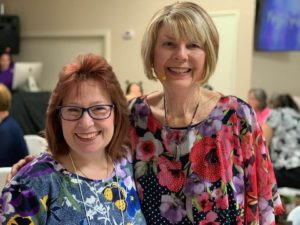
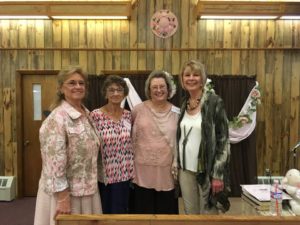
Several weeks ago, Dave and I flew into Alamosa, CO. to keynote at the Southern Colorado Women’s Conference. We met a wonderful group of women, and I’m pictured above with the sweet women who worked so hard to make this annual conference possible. Dave and I had quite an adventure as we took an 8-seater tiny plane from Denver to Alamosa. Let’s just say my 6’4’ hubby had to bend in half to get to his seat. When we arrived, only his bag arrived with us!

Treasured memories. That’s a cedar chest in the center made by the pastor for his lovely wife Kay!

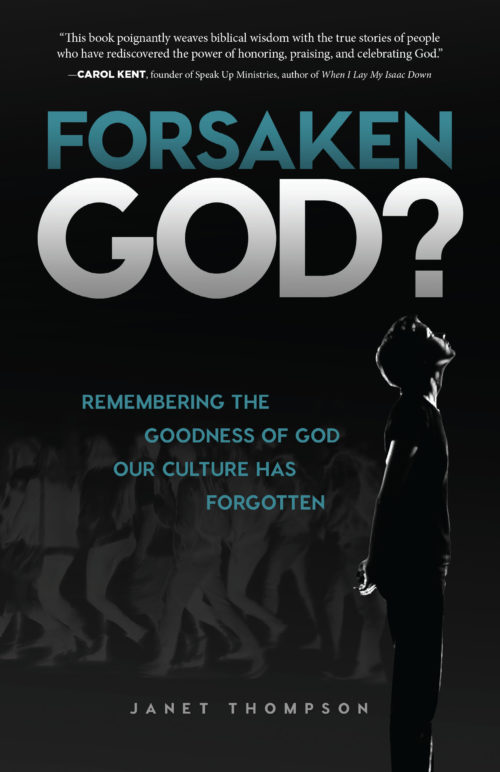
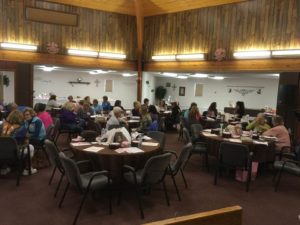
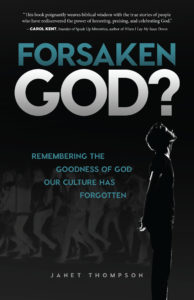
The theme of the conference was “Remembering the Goodness of God,” which the conference coordinator chose after reading my book, Forsaken God?: Remembering the Goodness of God Our Culture Has ForgottenThe decorations were amazing designed to help us remember our treasures. Dave has traveled with me to many conferences and retreats and he said he’d never seen such beautiful and detailed decor.

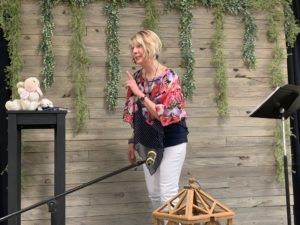
On Friday night, I gave my testimony, and then Saturday morning, I talked about eight of the twenty-three ways I share in Forsaken God? to remember God’s goodness in your life, starting with sharing your testimony. There’s no greater witness to God’s goodness than sharing what he has done in your life. No one can question your testimony because it’s your personal experience.

[Tweet “There’s no greater witness to God’s goodness than sharing what he has done in your life.”]

 We often start conversations with questions like:

  • How was your day?
  • What’s going on in your life?
  • How are you doing?

Or when meeting someone new:

  • Where do you live?
  • What do you do for a living?
  • What church do you attend?
  • Where did you and your husband meet?

But when is the last time you asked:

  • What is your spiritual journey?
  • What’s your salvation story?

When’s the last time you told someone about your spiritual/salvation story?

Many think the Great Commission is just for the disciples and pastors, but it’s for every follower and believer of Jesus Christ. You don’t have to be an evangelist to share your story.

[Tweet “There’s no greater witness to God’s goodness than sharing what he has done in your life.”]

God authorized and commanded me to commission you: Go out and train everyone you meet, far and near, in this way of life, marking them by baptism in the threefold name: Father, Son, and Holy Spirit. Then instruct them in the practice of all I have commanded you. I’ll be with you as you do this, day after day after day, right up to the end of the age. (Matt. 28:18–20 The Message)

You and I are Christians today because those twelve disciples did just what Jesus instructed them to do. They shared the gospel they had experienced with anyone who would listen . . . and with many who didn’t listen.

We receive the Advocate—the Holy Spirit—when we become Christians and our charge is the same as the disciples: you must testify with everyone you meet.

You’re here to be light, bringing out the God-colors in the world. God is not a secret to be kept. We’re going public with this, as public as a city on a hill. If I make you light-bearers, you don’t think I’m going to hide you under a bucket, do you? I’m putting you on a light stand. Now that I’ve put you there on a hilltop, on a light stand—shine! Keep open house; be generous with your lives. By opening up to others, you’ll prompt people to open up with God, this generous Father in heaven. (Matt. 5:14–16 The Message)

[Tweet “Your spiritual journey is your testimony that describes your life before you turned it over—or returned—to God”]

Your spiritual journey is your testimony that describes your life before you turned it over—or returned—to God and how you’ve transformed into a new creation in Christ.

You may not think you have a testimony if you’ve been a Christian most of your life and life has gone smoothly for you. Well, that smooth life didn’t just happen. God has been walking beside you guiding your life every step of the way. That’s your testimony to others who worry about losing something by turning their lives over to God. You’re a living example of how good God really is!

[Tweet “God can use every experience for His good and glory”]

If you have a hidden past you’ve been too embarrassed to talk about, now is the time to deal with those buried hurts and hang-ups. God can use every experience for good, but not if we don’t let him. The Bible tells us “The wages of sin is death” (Rom. 6:23), so hidden sin holds us in a death grip that silently destroys us spiritually, and often physically, from the inside out.

Exposed sin loses its power.

We don’t have to waste energy and emotion worrying about others discovering our past. We can “thank God we’ve started listening to a new master, one whose commands set us free to live openly in his freedom!” (personalized from Rom. 6:18 The Message).

Think back to an experience where you know it had to be God who rescued you and how you might make that a testimony to his goodness.

Ways to Remember God’s GoodnessShare Your Story—Make It Your Testimony

[Tweet “The most effective encouragement for trusting God in the present is remembering His Goodness in the past.”]

The most effective encouragement for trusting God in the present is remembering His Goodness in the past. As we mature spiritually, we move beyond just remembering God’s goodness for our own benefit and start retelling our testimony to help others.

Every time you give God the glory for something in your life, you testify to God’s goodness.

[Tweet “Sometimes God redeems your story by surrounding you with people who need to hear your past so it doesn’t become their future”]

Sometimes God redeems your story by surrounding you with people who need to hear your past so it doesn’t become their future.

When we don’t share our story, we don’t share His story.

Being willing to share how God helped you through difficult times requires vulnerability, approachability, and responsibility. It’s your witness to His faithfulness. It’s the opportunity to give purpose to a crisis.

Otherwise, you might spend your life feeling sorry for yourself—living as a victim instead of victorious.

[Tweet “Revealing is the first step to healing.”]

Revealing is the first step to healing.

Your story doesn’t have to have a “happy ending” for you to share it. You give your testimony to show God’s faithfulness regardless of the circumstances, and to assure others they’re not alone or to stop someone else from making the same mistakes you did.

Every day you encounter opportunities to share your testimony, and every time you tell it, you’ll remember how good God has been to you. Let your loving heavenly Father guide you.

Sometimes you’ll only share a short snippet—less than three-minute—an “elevator testimony.” Other times, the whole story.

Tell me the Old Old STory of Jesus and His Love as your testimony

Women sharing their 3-minute testimony with each other.

Don’t dramatize how bad you were; characterize how good God is!

Your story becomes your testimony when the focus is on God, not on you.

[Tweet “Your story becomes your testimony when the focus is on God, not on you.”]

Don’t tell graphic details or anything to make someone else or you uncomfortable. It’s not a tell-all, and it’s not a time to tell someone else’s story.

If you haven’t written out your spiritual testimony, think of it in five parts:

  • Your life before Jesus.
  • How, when, why you realized you needed a Savior.
  • Making the commitment, or re-commitment, and surrendering your life to Jesus.
  • The change in your life since becoming a Christian.
  • What being a Christian means to you. How does knowing Jesus help you do life?

In Psalm 71:15, the psalmist admits he’s not sure if what he says will help, but he’ll tell his story and let God choose how to use it: “My mouth will tell of your righteous deeds, of your saving acts all day long— though I know not how to relate them all.”

Some people may reject or rebuff your testimony. That’s not a sign to stop telling it; you plant a seed, and God does the watering. Peter reminds us always to be ready to share our testimony.

But in your hearts revere Christ as Lord. Always be prepared to give an answer to everyone who asks you to give the reason for the hope that you have. But do this with gentleness and respect, keeping a clear conscience, so that those who speak maliciously against your good behavior in Christ may be ashamed of their slander. (1 Pet. 3:15–16)

So don’t worry about how God will use your testimony, or how someone will receive it. Just be willing to speak up when you feel the prompting of the Holy Spirit, and He’ll use it for God’s purpose. Sometimes it will be in a spiritual setting, other times when you least expect it. Be ready to share with or within . . .

  • Bible study group or small group.
  • Mentoring relationships.
  • Others going through something similar.
  • Conversations acknowledging God’s goodness in your daily life.
  • Social media.
  • Unbelievers or skeptics.
  • Support Groups.
  • Where else?

“And this is the testimony: God has given us eternal life, and this life is in his Son. Whoever has the Son has life; whoever does not have the Son of God does not have life.” —1 John 5:11–12

But as for me, how good it is to be near God!

I have made the Sovereign Lord my shelter,

and I will tell everyone about the wonderful things you do.

Psalm 73:28 NLT

What testimony does God want you to share and who needs to hear it? Who needs to know the reason for your hope?

If you received this blog by email, please leave a comment here.

*This blog uses excerpts from Forsaken God? Remembering the Goodness of God Our Culture Has Forgotten.

Remember the goodness of God so you don't forsake Him in your life.


Return to top of page

God Is in Charge of His Glory—Not You! by Kathy Collard Miller

As I mentioned last week, my new book was due to the publisher on Monday and I had to stay focused on finishing it, which I did, so our Monday Morning Blog is again on Tuesday . . . but at least it’s in the morning this time. Kathy Collard Miller is a dear friend of mine, fellow author, and former mentor to me so I’m thrilled to have her share with you from her book, Pure-Hearted. Kathy is also generously offering a free book so make sure to leave a comment below by next Sunday, Oct. 21, to enter the drawing. We had a lot of fun last week with our comments and drawing and one blessed woman is enjoying her free book this week.

God willing, I’ll be back next Monday! Thank all of you who prayed for me during this writing marathon of Everyday Brave: Living Courageously as a Woman of Faith. It will release in September 2019. 

God Is in Charge of His Glory—Not You!

by Kathy Collard Miller

I walked away from the coffee house berating myself. “Kathy! You must have said the wrong thing to her. See her response? How is God going to be glorified and her grow in Christ if you keep saying the wrong thing?”

I had been mentoring this new Christian for a month or two but felt like every time we met I said something wrong or something that could be misinterpreted. I just knew God wasn’t shining through me very clearly! When would I get it right? And the fact that my mentee was still struggling must mean I was doing it wrong.

[Tweet “The fact that my mentee was still struggling must mean I was doing it wrong!”]

Is My Mentee Talking About Me to Others?

Plus, I wasn’t quite sure if she was talking about me with others. I knew my desire was to help, but I felt tense thinking of other’s opinions about my ministry.

This scenario has occurred many times over the years of helping others in their spiritual walk, and over time, I’ve been able to counteract the lies with the truth: God is in charge of changes within others and He isn’t dependent upon me mentoring perfectly.

[Tweet “God is in charge of changes within others and He isn’t dependent upon me mentoring perfectly.”]

What the Apostle Paul Says

I’ve also been encouraged by the perspective of the Apostle Paul who wrote, But with me it is a very small thing that I should be judged by you or by any human court. In fact, I do not even judge myself. For I am not aware of anything against myself, but I am not thereby acquitted. It is the Lord who judges me (I Corinthians 4:3-4).

Paul doesn’t jump into self-contempt like I do. He seeks God’s opinion. I think so many of us depend upon our self-evaluations rather than looking to God for his judgement of what happened with the person we are mentoring. We conclude we didn’t say the right things. But we don’t know what our mentee needed to hear. Maybe the very words we said—and are judging—were what she needed to hear.

[Tweet “Maybe the very words we said—and are judging—were what our mentee needed to hear.”]

I Apologized But It Wasn’t Needed

So many times, I’ve followed up on a conversation and apologized for what I said. Most of the time the person responds, “Really? I don’t remember.” Other times, she says, “No, I didn’t think anything bad at all.” I had been all upset, rehearsing what I said, but my friend wasn’t.

Paul continues, We are fools for Christ’s sake, but you are wise in Christ. We are weak, but you are strong. You are held in honor, but we in disrepute (vs. 10).

Evidently, Paul’s opponents in Corinth are saying those things about him, so he is responding sarcastically. He’s basically saying, “Of course, you’re right. You are wise but we are fools. You are strong, but we are weak. You are held in honor, but we are disreputable. Shame on us.” Wink. Wink.

The Apostle Paul Is Making Fun of Others

He is making light of their opinions of him because he doesn’t mind others seeing him in those ways. His motive is not to be seen well, but to cooperate with God’s plan. What a lesson for us. We don’t have to be bothered by what others say about us either.

[Tweet “We don’t have to be bothered by what others say about us.”]

If we’re afraid of appearing as fools when we speak of the Lord, we might want to examine our hearts. Maybe our self-contempt is because we fear looking foolish or silly or unintelligent or whatever we have vowed to never appear as or feel like. When we have the purified heart of sacrifice for God’s glory, we will be wisely sensitive to the needs of others, led by the Holy Spirit, because our focus isn’t distracted by our own self-protection.

I Don’t Want to Be Thought of As Stupid

I have recognized my distracted focus of not wanting to seem stupid or insensitive. Both prevent me from boldly obeying the Spirit’s leading. I’m afraid I’ll reveal my stupidity by saying something my mentee can dispute from Scripture or her own interpretation of truth. My old childhood nemesis—don’t make anyone feel bad because then I’m bad—hampers me from having the freedom to respond however the Holy Spirit is leading me.

Yet, what is the truth? Paul states the truth earlier in this first letter to the Corinthians, But we have the mind of Christ (2:16).

The Corinthian believers must really be struggling with their image. Paul confronts those issues in so many ways. He writes, For I decided to know nothing among you except Jesus Christ and him crucified. And I was with you in weakness and in fear and much trembling, and my speech and my message were not in plausible words of wisdom, but in demonstration of the Spirit and of power, so that your faith might not rest in the wisdom of men but in the power of God (1 Corinthians 2:2-5).

Paul seems to be saying, “I have known the fears of appearing weak and lacking wisdom just like you are experiencing. But my weaknesses mean you’ll rest in God’s power and not depend upon me being so wise.”

I Have a New Bold Sensitivity

To some degree, I’ve seen God newly empower my life with a bold sensitivity by being willing to sacrifice my own image or risk being misunderstood.

[Tweet “I’ve seen God newly empower my life with a bold sensitivity by being willing to sacrifice my own image.”]

I remember one time specifically when I berated myself after seemingly giving all the wrong responses to a friend about God and His workings. I felt defeated and wondered whether I had destroyed any possibility of her responding to God’s love. But then, God popped a great thought into my mind. “Well, if she grows as a Christian, it certainly won’t be because of my communication skills.”

I’m Not Responsible for My Mentee’s Growth

Then, the truth hit me. If her growth, or even conversion, isn’t because of me, who is the cause? And who will get the glory since I don’t deserve it? Jesus and his Spirit. If I had been brilliant and my friend suddenly exclaimed, “Oh, you’ve made it so clear. I do want to become a Christian,” it would have been easy to give myself credit rather than the work of the Holy Spirit. But He is the one who calls her to growth or salvation, it’s not about me at all. I’m just a weak and inadequate vessel.

Having pure motives for God’s glory doesn’t mean we won’t prepare as much as we can. It means we recognize God is completely in charge of His glory—not us.

[Tweet “Having pure motives for God’s glory doesn’t mean we won’t prepare as much as we can. It means we recognize God is completely in charge of His glory—not us.”]

What have you found helpful in resisting taking the growth of your mentee personally? Share in the comment section, and also enter to win a copy of Kathy’s book, Pure-Hearted.

If you received this blog by email, leave a comment here.

This guest blog is adapted from Pure-Hearted: The Blessings of Living Out God’s Glory.

Kathy is making a copy of Pure-Hearted available to the winner of a book drawing. Enter to win in the comment section below by Sunday, October 21, and the winner will be drawn and announced that afternoon. (US addresses only please.)

Kathy Collard Miller author of Pure Hearted discusses letting mentees suffer as God uses their trials to strengthen them.

Pure-Hearted will help you bring more glory to God by purifying your motives. Author and speaker Jennifer Kennedy Dean writes in the Foreword: “You will find the secret to the communion for which your heart was formed.”

Kathy Collard Miller writes about letting God work through suffering in mentoring.

Kathy Collard Miller is an award-winning author of over 50 books that include Christian living topics, women’s Bible studies, and Bible commentaries. She is a speaker who has shared in 8 foreign countries and over 30 US states. Kathy and Larry have been married for 48 years and are the parents of two and grandparents of two. They live in Southern California and often write and speak together. Visit her at www.KathyCollardMiller.com. She would love to hear from you.

Order Pure-Hearted

www.facebook.com/KathyCollardMillerAuthor

https://www.Twitter/KathyCMiller

https://www.Pinterest/Kathyspeak

Return to top of page

Hope for the Lonely By Jennifer Slattery

When I started the Woman to Woman Mentoring Ministry, the common theme I heard from women joining the ministry was, “I’m lonely!” Others said, they had friends, but no Christian friends and they felt lonely without another woman to share their faith. Our guest blogger today, Jennifer Slattery, has a passion for helping women discover, embrace, and live out who they are in Christ. 

Hope for the Lonely By Jennifer Slattery

Hope for the Lonely by Jennifer Slattery gives hope to women who struggle with lonliness

She’s the woman whose kids are grown and so busy launching their new lives, she feels there’s no room for her. She’s the young adult who, after accepting a job halfway across the country, spends every evening alone. And she’s the mother, the wife, or caregiver who, for countless reasons, spends her day engaging with hundreds of virtual friends on Facebook wishing one of them would step away from their screens to see her, truly see her.

[Tweet “She’s the mother, wife, or caregiver who spends her day engaging with hundreds of friends on Facebook, wishing one of them would step away from their screens to see her, truly see her.”]

We’ve become the lonely, disconnected generation. According to statistics, nearly one quarter of us don’t have anyone we feel we can rely on and half of us don’t have a single confidant outside of family. This means, on any given Sunday, there’s a 50-50 chance the woman sitting next to us is deeply in need of a friend.

[Tweet “From the beginning of time, God placed the need to connect deep within our hearts.”]

We weren’t meant to live in solitude. From the beginning of time, God placed the need to connect deep within our hearts. This need, embedded within us, was designed to draw us closer to one another and closer to our Savior.

In a perfect, grace-filled world, that’s exactly what would happen. But sin invaded the creation God once called very good and tainted our relationships and wounded our hearts, driving wedges between us.

Sins’ isolating effects

If you're lonely God can help. There's hope for the lonely says Jennifer Slattery

We long for connection, but we fear this at the same time, because true relationship requires risk. A risk that leaves us vulnerable to pain and open to rejection.

[Tweet “We try to change who we are to gain acceptance in an attempt to fill the gaping hole within instead of surrendering our hearts, longing, and pain to Christ.”]

So we hide, or strive to change who we are in order to gain acceptance in an attempt to fill in the gaping hole in our soul through our own strength. I’ve seen this again and again, and the casualty that results after years of defensive, destructive living.

I’ve seen the pain. I’ve heard the stories of abandonment and betrayal, of fear and self-protection. Of longing for relational intimacy.

What we fear

[Tweet “Statistics say women fear loneliness more than a cancer diagnosis”]

Statistics say women fear loneliness more than a cancer diagnosis

Think about that for a moment. They fear feeling insignificant, unknown, and unseen over contracting a potentially terminal illness. And yet, that doesn’t really surprise me. We all know the joy of spending a lazy, giggly day with someone we love. When a dear friend was dying of brain cancer, what pained her most wasn’t her loss of vision or speech or motor skills, but the time she’d never have with her three little boys. Those moments were precious, made all the more so because she knew they wouldn’t last.

[Tweet “Relationships matter. They’re a core part of who we are.”]

And so, I get it. Relationships matter. They’re a core part of who we are. Who we were created to be. Of course, we ache when that necessary piece of life is missing. But even in our pain, there’s hope, because we follow a reconciling, uniting God. The Hand that formed us from the dust, that breathed life into our mortal lungs, and created within us a need for connection, unites us by His blood.

God can help

He’s our Creator and Provider, which means, if He planted this need deep within us, He will fill it. But it might take time. It’ll take pushing through hard conversations, holding tight to relationships when others don’t behave as we’d hoped. It’ll take digging deep into our hurts and fears and insecurities and handing those over to Jesus.

[Tweet “Friendships require digging deep into our hurts, fears, and insecurities and handing those over to Jesus.”]

It’ll take finding an imperfect yet grace-filled church family we can plant our roots deep into. Because here’s the deal—we don’t need random, superficial relationships. Those will only leave us feeling empty and depleted.

[Tweet “we don’t need random, superficial relationships. Those will only leave us feeling empty and depleted.”]

We need unity. Sisterhood. A strong and committed family.

Are you lonely? There's hope by Jennifer Slattery

And as much as we need this, our sisters do as well. You may have heard the phrase: If you want a friend, be one. The same sentiment applies here, because nearly 50% of the women you and I meet in a given day are lonely. Deeply lonely. Painfully lonely.

You can be their friend. You can help fill that hole. As you do, maybe you’ll find your hole fills as well.

Did anything resonate with you today?

  • How might past hurts and the fears those can generate be keeping you from deep and lasting community?
  • How might surrendering those to Jesus bring you to a deeper level of freedom and friendships?
  • Or perhaps God’s calling you to reach out to someone else. What might it look like to truly be Jesus to that person?

Share your thoughts, examples, and suggestions with us in the comments below, because we can all learn from and encourage one another!

If you received this blog by email, please leave a comment here.

Pictures above courtesy of Unsplash.

Hope for the Lonely by Jennifer Slattery

Jennifer Slattery is a writer, editor, and speaker who’s addressed women’s groups, church groups, Bible studies, and writers across the nation. She’s the author of six contemporary novels and maintains a devotional blog found at JenniferSlatteryLivesOutLoud.com.  As the founder of Wholly Loved Ministries, she and her team partner with churches to facilitate events designed to help women rest in their true worth and live with maximum impact. Visit her online to find out more about her speaking or to book her for your next women’s event. When not writing, reading, or editing, Jennifer loves going on mall dates with her adult daughter and coffee dates with her hilariously fun husband.

Return to top of page

Caregiving Lessons Aren’t Just for Caregivers by Cheri Swalwell

I have a big favor to ask. Would you take a short quick survey to help my publisher and me with the title of the book I’m currently writing! It won’t take five minutes. Thanks so much. Here’s the link.

This week’s guest blogger is Cheri Swalwell. I know you’ll enjoy her lessons learned from caregiving that we can apply to all areas of our life.
 .

Caregiving Lessons Aren’t Just for Caregivers by Cheri Swalwell

This past spring, I co-lead my first life group. While we studied the book Caring for the Caregiver, God used the time to teach me multiple truths, which apply to many areas of life, not just caregiving.

I’m Not in Control

One lesson God has been teaching me through the study is “I’m not in control.” So true when providing care for another. While I may be able to control when I offer food, rest, medication, and/or bathroom privileges, I cannot force someone to eat, drink, sleep, use the bathroom, or take medication. I’m not in control of the other person agreeing and following through.

The same is true whether dealing with friends, family, or just strangers on the street. So, you may ask: What can we do when the control is out of our hands?

[Tweet “Pray – before, during, and after every situation we find ourselves.”]

Pray – before, during, and after every situation. When we invite in Jesus before we make any decisions, He takes control. I don’t have to control anything.

Knowing Who You Serve

Another lesson He taught me through caregiving: You must know the person you’re blessed to serve. Study their preferences. Introverted or extroverted? Prefer to spend time alone or crave the company of others? A high or low pain tolerance?

The same principles apply to everyday life. When we’re interacting with loved ones, friends, or strangers, pay attention, listen, and ask questions.

I like to start each day asking God to use me in whatever way He wants. I ask Him to help me slow down and see opportunities where He wants to use me as a blessing.

Approaching life this way, God will provide opportunities for us to bless others. He will give the “wiggle room” in our schedules to take the time to get to know others so our interactions with them are genuine.

[Tweet “We’re here on earth to share about God’s plan with those who don’t know Him and to encourage brothers and sisters in Christ who feel like giving up.”]

We’re here on earth to share God’s plan with those who don’t know Him and to encourage brothers and sisters in Christ who feel like giving up. Best done through relationships. Taking a genuine interest in those God puts in our circles.

Know Your Own Limits

Equally as important as knowing the person you’re called to serve, is staying close enough to God to know your own limits.

This past spring was a busy season for our family. We were dealing with a few serious health crises of family members, emotional burdens of other family members, and added busyness of “end-of-the-school-year activities.” Our oldest graduated from high school, with the added joy of planning his party.

One day, I was attempting to juggle a doctor’s appointment while fielding updates from another family member’s serious illness, while gathering prices at various stores for the party we were planning. While running errands, I looked up when a urinal caught my eye – I had walked into the men’s bathroom!

Two stores later, I “woke up” from my thoughts with enough time to stop from nearly shoplifting three containers of juice. I’d hit my limit. I couldn’t put one more thing in my brain. I shouldn’t make major decisions until I allowed myself time to rest and recover, if only for a few hours.

[Tweet “Fill up with God before you allow yourself to get completely depleted.”]

Know your limits and fill up with God before you get completely depleted. Sometimes, life hits hard and fast and we can’t fill up as fast as we have to pour out. That’s when relying on God’s strength is the best decision we can make.

My recent busyness has included obligations not usually on my plate. Most are good things like celebrations to enjoy and cherish. However, busy is busy and there are still only 24 hours in each day.

[Tweet “Too busy leads to stress. Stress can make a person act differently. Stress can give license to unleash their “crazy.””]

Too busy leads to stress. Stress can make us act differently. Stress can give license to unleash our “crazy.” During the busy, stressful times is when people around us take notice. How will she act in this situation? How will she handle such and such? Especially, if one professes to be a Christ follower.

[Tweet “When we’re at our busiest or when we’re faced with the worst trials, people tend to look the closest and our true character shines through.”]

When we’re at our busiest or when we’re faced with the worst trials, people tend to look the closest and our true character shines through. I had to look in the mirror and decide if I liked the character traits I saw, or if I needed to make some adjustments. More than anything, I want people to see more of Jesus and less of me at all times, but especially in the times of busy.

Busy seasons will always be a part of life. How we prepare ahead of time for them determines how much of Jesus others will see in us during those times. I, for one, want others to see more of Jesus and less of me as I mature and become closer to Jesus’ likeness.

What Characteristics Does Caregiving and Busy Bring Out in You?

I’m Not In Control?

Knowing Who You Serve?

Knowing Your Own Limits?

If you received this blog by email, leave a comment here.

Cheri Swalwell is a Christ follower who thoroughly enjoys her calling to be a wife, mother, and writer, in that order. She enjoys writing regularly for Book Fun Magazine. Her Spoken from the Heart Series is available through Amazon in both eBook and paperback versions. Her book, Hope During Heartache, a compilation of 13 men and women’s stories told from their viewpoint about hope after the loss of a child, is also available at Amazon in both paperback and eBook versions as well as her Bible study, Caring for the Caregiver. To read one of her many articles on life from a Christian perspective, visit her blog. She loves to interact with her readers and would love for you to visit her website or send an email to [email protected] or “like” her on Facebook or interact with her on Twitter, LinkedIN, or Goodreads.


Return to top of page

7 Principles For Making Wise Choices by Dawn Wilson

Today’s guest post is from a dear friend and author, Dawn Wilson. I’m chained to the computer writing a new book with a short deadline. I found it interesting that Dawn’s blog provides us seven principles for making wise choices and the first chapter in my book is “Brave Choices.” I also just finished Chapter Eight “Brave Discernment.” Reading Dawn’s post gives me some new thoughts to consider. I know it will you too because we all make zillions of decisions from the time we get up until we go to bed, and each decision is a “choice.” Enjoy!

 7 Principles For Making Wise Choices by Dawn Wilson

Some people make choices in a “spaghetti” fashion, throwing options at a wall to see what sticks. They’re not sure what to do, so they guess at what God might bless and use.

I used to do that, and ended up making some bad—or not the best—decisions. I concluded it’s far wiser to ask God how to make better biblical choices.

7 Principles for Making Wise Choices by Dawn Wilson

Discernment comes from understanding our inclination toward sin and foolishness, and from knowing the Word of God (Hebrews 5:13-14). The Bible offers clear principles to guide us in making wise big decisions and everyday choices.

[Tweet “The Bible offers clear principles to guide us in making wise big decisions and everyday choices.”]

This is good news whether we’re searching for answers ourselves, or encouraging and mentoring others. Few in our culture have a biblical framework for making healthy, positive decisions—spiritually, emotionally, mentally, socially and physically. We especially need to give new Christ-followers principles for developing discernment and making wise choices so they won’t be easy prey for the enemy.

Principles for Making Godly Decisions

  1. Conscience Principle

Our conscience is the part of our human psyche that causes mental anguish and guilt feelings when we violate our value system. We have feelings of well-being when we conform to our value system. This is often referred to as our moral consciousness—moral awareness—or moral compass. A weak or immature conscience is the product of a faulty value system. Our conscience can be hi-jacked by worldly beliefs, the enemy’s lies, or our own sinful nature. But as believers mature in the faith, our conscience strengthens in the will and ways of God.

[Tweet “Our conscience can be hi-jacked by worldly beliefs, the enemy’s lies, or our own sinful nature.”]

Ask:

  1. Counsel Principle

Our Heavenly Father counsels His children, Jesus is our Wonderful Counselor according to Isaiah 9:6, and He left us another Counselor, the Holy Spirit. We also find counsel in Scripture. God also equips us with wise counsel from Christian teachers and mentors.

Ask:

  1. Convictions Principle

Convictions aren’t our opinions. They’re our firmly held beliefs that ultimately determine who we are and what we do. Convictions often chart our course for life, because they drive our choices. They help us set healthy boundaries. We have convictions about our relationships, career, time, finances, health, entertainment, and our spiritual priorities.

[Tweet “Convictions often chart our course for life, because they drive our choices.”]

Ask:

  1. Cause Principle

Our motives—the underlying reason for our actionsmatter to God. We can serve God from impure motives, but He won’t be impressed! The Bible says our motives will be exposed, and impure motives can hinder our prayers, so we need to carefully check them.

[Tweet “We can serve God from impure motives, but He won’t be impressed!”]

Ask:

  1. Control Principle

Jesus cautioned believers to consider whether we call Him Lord, but still want to be lord of our own life.

Ask:

  1. Consequences Principle

There are good and bad possible consequences of our choices. If we’re wise, we’ll anticipate these natural consequences before moving forward.

Ask:

  1. Concern Principle

[Tweet “It’s so easy to think about our own agenda and not consider how our choices affect others.”]

We live in a selfish world. It’s so easy to think about our own agenda and not consider how our choices affect others. This isn’t a biblical way to live.

Ask:

The more we seek the Lord’s direction for our decisions, the more we will benefit ourselves, bless others, and bring glory to God.

[Tweet “The more we seek the Lord’s direction for our decisions, the more we will benefit ourselves, bless others, and bring glory to God.”]

You may find some principles easier to act on than other principles. What is the hardest one for you to follow regarding your choices?

If you received this blog by email, leave a comment here.

7 Principles for Making Wise Choices__

Dawn Wilson and her husband Bob live in Southern California. They have two married sons and three granddaughters. A former journalist for Christian newspapers, Dawn now assists author and radio host Nancy DeMoss Wolgemuth with research and works with various departments at Revive Our HeartsShe is also the founder and director of Heart Choices Today, publishes UPGRADE with Dawn, and writes for Crosswalk.com and TrueWoman.com. Dawn occasionally travels with her husband Bob with Pacesetter Global Outreach.

https://www.facebook.com/dawnmariewilson

https://twitter.com/dawnmariewilson

Graphic adapted, courtesy of Ben White at Unsplash

Return to top of page

When Did We Become So Uncivil?

When Did We Become So Uncivilized on social media?

It’s almost impossible to listen to a newscast without hearing harsh accusing comments rather than factual news. So-called news today is simply opinions and biases of the person or persons using their platform to bash someone who doesn’t agree with them or they don’t like. Often, these programs digress to shouting matches instead of civil debate. Dave and I usually turn those off because you can’t hear what either side is angrily saying as they talk over each other.

[Tweet “If you post something on Facebook or social media that people don’t agree with, get ready for comments attacking you”]

If you post something on Facebook or social media that people don’t agree with, get ready for comments attacking you, often filled with profanity, accusations, name-calling, and vile language. Just try reading the comments on President Trump’s twitter page or on Sarah Huckabee Sanders’ twitter or Franklin Graham’s Facebook page. You can be sure they only use social media to reach out to their supporters and they avoid reading the disgusting, often threatening, uncivil, vile comments directed at them and anyone who posts a positive comment. I for one can’t read them.

[Tweet “People feel they can hide behind social media to be at their worst”]

People feel they can hide behind these forms of communication to be at their worst. A liberal congresswoman on the left, encourages protestors to harass those who don’t agree with them i.e. Republicans, Trump supporters, and the Cabinet. There’s a reason why celebrities get restraining orders and even indictments against harassers because it always leads to someone getting hurt. And yet, we have public officials and celebrities encouraging this kind of behavior against people they don’t like or who don’t agree with them. Seriously? Is this how civil people act!?

[Tweet “There’s a reason why celebrities get restraining orders and even indictments against harassers”]

What About the Incivility of Christians?

We’ve come to expect this kind of uncivil discourse and public displays of hostility from the liberal left and those immersed in “the world’s ways,” but what about when we see these unsavory ways coming from those who profess to be Christians? How are they justifying the unkind way they talk to others . . . even to fellow Christians? Where are they finding justification for this kind of behavior in the Bible? From God?

When I posted my Monday Morning Blog, Why Is the Church Going Dark?, several of you responded with your perspective and opinion and we had a respectful, civil dialogue back and forth. It probably helped that I knew everyone commenting, and they knew me from following my blogs. They knew that my heart is to share ideas and topics for thought and conversation to draw us closer to Jesus and to each other.

Another Christian website saw the blog and felt it was an intriguing topic. They asked if they could reprint it. I said absolutely! As I write today, the post has 14,500 shares and 127 comments on their website! This is a topic many people feel strongly about and have an opinion. Some emailed me directly, even from Malesia!

But here’s the alarming difference between comments on my personal website post, where I’m known, and the Christian website where I’m not known personally. It’s obvious I’m a fellow Christian from my bio and what I reference in the article—but many comments were not gentle, kind, and uplifting as you would expect one Christian to talk to another. Some were even uncivil, rude, and accusatory. Not just toward me, but also toward each other’s comments.

As I read a few, I saw a defensive, judgmental, harsh, cynical, often condescending attitude. If you didn’t agree with their perspective, there was something wrong with you, even as a Christian! Where else have we heard that kind of uncivil attitude? In the world, that’s where.

Most of these people probably would never say to our face the things they wrote to me and to each other, and surely not while standing in the church foyer. But with the shadow of anonymity, they felt comfortable and safe lashing out if anyone, including me, had a differing opinion from their opinion. They might have felt self-righteous because they didn’t use profanity, but their delivery still stung.

Reading several of these was enough for me. I don’t expect, or even want, everyone to agree with me, or each other. That’s when you have a good debate and a post getting the kind of traction this one did because so many have varying opinions on controversial topics. But what I did expect was a Christian attitude of civility and respect with those who have a different perspective and opinion.

We all, myself included, need to remember those filled with the Holy Spirit should display the fruit of the Spirit:

But the Holy Spirit produces this kind of fruit in our lives: love, joy, peace, patience, kindness, goodness, faithfulness, gentleness, and self-control. There is no law against these things! Galatians 5:22-23

[Tweet “The Bible warns us that we’re in the world, but we’re not to take on the characteristics of the world.”]

The Bible warns us that we’re in the world, but we’re not to take on the characteristics of the world. I wonder how many of you have experienced what I’m talking about? It’s dangerous when you can’t differentiate God’s people from the rest of the world.

Don’t get me wrong, all the comments weren’t uncivil, many were thoughtful and well-spoken. But it was easy to tell who was speaking from a heart full of love and grace and who was speaking from pride and ego. It saddened me to see how close believers can sound like the world.

[Tweet “It’s a dangerous slippery slope when we forget who we are in Christ.”]

It’s a dangerous slippery slope when we forget who we are in Christ.

The world is watching, and when they can’t see any difference between them and us, we’re losing the battle of maintaining civility.

Don’t copy the behavior and customs of this world, but let God transform you into a new person by changing the way you think. Then you will learn to know God’s will for you, which is good and pleasing and perfect.

Because of the privilege and authority[c] God has given me, I give each of you this warning: Don’t think you are better than you really are. Be honest in your evaluation of yourselves, measuring yourselves by the faith God has given us. Romans 12:2-3 NLT

What say you? Do you know what I’m talking about here? Have you experienced it?

If you received this blog by email, leave a comment here.

Photo by Jonathan Velasquez on Unsplash

Return to top of page

Liz Curtis Higgs Reminds Us: God Is More Faithful Than the Pizza Man

Liz Curtis Higgs reminds us that God is more faithful than the pizza man

Did you notice there wasn’t a Monday Morning Blog from me last week? It’s Ok if you didn’t miss it. I had a short turnaround from speaking in South Carolina and heading off to Mount Hermon Christian Writers Conference in Scotts Valley, California, where I had the honor and privilege of being on the faculty. As I prepared for teaching and packing, something had to give. The blog post. I know you’ll forgive me and maybe even congratulate me for pacing myself.

The conference was amazing! The theme was BOLD: “Since we have such a hope, we are very bold” 2 Cor. 3:12. God’s presence boldly permeated every area of the conference grounds and every aspect of the activities.

[Tweet “The theme of Mount Hermon Writers Conferece was BOLD: “Since we have such a hope, we are very bold” 2 Cor. 3:12. “]

A special treat was having award-winning author and speaker Liz Curtis Higgs as our keynote speaker. Liz presents her godly bold messages with humor, passion, and love. I had heard her speak at Mount Hermon before and knew we’d be in for a treat. But I also knew something would be different about Liz this year. I even wondered if she would be able to still speak at the conference.

Liz Curtis Higgs was amazing at Mount Hermon Christian Writers Conference

Liz was wearing a wig and needed her husband to help her on and off the stage. She sat on a stool while speaking instead of roaming around the stage. Precious Liz recently completed surgery, radiation, and chemo for endometrial cancer. Thinking all was well and on the road to recovery, her doctors assured her a routine cat scan would reveal the cancer eradicated.

But that was not the case. While Liz was on chemo, a cancerous tumor continued to grow. Apparently, she is resistant to a platinum component of the “chemo cocktail.” Liz is not cancer free. She also has neuropathy in her feet making it difficult to stand. Yet, in three worship services, Liz shared her trademark message of God’s hope and faithfulness through laughter and tears . . . ours and hers.

[Tweet “Liz Curtis Higgs refers to her cancer as, “An unexpected journey toward hope.””]

When you look at Liz’s face in pictures taken while she was speaking, you see joy, smiles, peace, and faith. She refers to her cancer as, “An unexpected journey toward hope.”

Liz Curtis Higgs sharing her story at Mount Hermon Writers Conference

[Tweet “God is more faithful than the pizza man!–Liz Curtis Higgs”]

Which brings me to the topic of this blog: God is more faithful than the pizza man! I’ll try to paraphrase Liz’s points, and now that you know a little bit about what she’s going through, I assure you it will have even more meaning.

“Lizzie’s” Faith Message

Liz recounted for us something we’ve all done repeatedly: called the pizza man to order a pizza delivered. Usually, we don’t know the person at the other end of the line taking our order, and we don’t know the delivery man or girl. Yet, with faith and trust, we hang up the phone, no doubts that a pizza will soon be delivered to our doorstep. We have faith in the pizza man.

When the doorbell rings we don’t question, “Oh, I wonder who that could be?” We’re sure that a hot pizza is awaiting us when we open the door. We even have payment and a tip ready for the delivery person, or in faith, we gave the pizza man our credit card number over the phone.

When we open the door, we’re not shocked or exclaiming, “What a miracle!!! The pizza I ordered arrived!”

True, we might get pepperoni instead of sausage, but we never question, worry, or fret over whether or not the pizza is coming. We wait expectantly, ready to receive it from a stranger.

Now, contrast when we offer a prayer request to God, who isn’t a stranger and we know Him intimately. He’s proven to us over and over again that He hears our prayers and will answer in His timing and according to His will.

[Tweet “Yet, we often question, worry, and fret whether our Lord and Savior will actually show up at our doorstep. “]

Yet, we often question, worry, and fret whether our Lord and Savior will actually show up at our doorstep. And when He does, we’re shocked. “What a miracle!” we proclaim, as if we didn’t really have faith that He would come through for us . . . again.

Do we take time to thank God, like we thank and tip the pizza delivery person?

We trust the pizza man more than we trust God.

I say “we” because I’m right there with you if you’ve ever doubted God would really answer your prayers. And even though He’s repeatedly proven to be faithful throughout my lifetime, I wonder if I’ve reached my quota of requests.

My Recent Faith Journey

2017 was not a good year for me. If you follow my blogs, you know I wasn’t able to travel and speak due to health issues, as I wrote about in the May 1, 2017 blog, I Didn’t See This Coming. I wondered if the Lord was closing the speaking door. Then in the fall, I received several speaking requests for 2018 and the invitation to teach at Mount Hermon.

My first speaking event of 2018 was in Simpsonville, SC in early March. I wondered if I would still feel comfortable on the stage speaking. Was it like riding a bike? Would it all come back to me? I prayed and agonized before the Lord until I heard Him say, I release you to go back out and share My message. I wouldn’t send you anywhere that I haven’t equipped you to go.

My husband was with me on that speaking trip and he marveled that it was as if I’d never been on a speaking sabbatical. When I took the microphone, I knew I was back. I gave God all the glory for using me as His servant voice again.

God is so much more faithful than the pizza man!

As an attendee learning how to write at this conference for ten years, serving on Mount Hermon’s faculty was a distant dream. Then big surprise, last fall I received the invitation to lead a main track Mentoring Clinic on Writing Your Personal Story and Memoir and a workshop on Writing Engaging Bible Studies.

After I said, “Absolutely,” doubt plagued me. Would I be worthy? Did I know enough to help aspiring writers like I had been helped? Who was I to accept this tremendous responsibility? Again, I heard God’s reassuring whisper, I wouldn’t send you anywhere that I haven’t equipped you to go.

The experience was beyond anything I could imagine. I knew from the first morning of the mentoring clinic, this was exactly where I was supposed to be, at that time, and in that place.

This picture of my “mentees” on the last day of our memoir writing mentoring clinic shows that my Lord was faithful to them and to me.


God is truly more faithful than the pizza man.

I’m on a very expensive medication, the sixth one after others have failed or given me horrendous side effects, and we’ve reached the end of options. Insurance only gave me a good rate for four months, then what? My doctor said, “Don’t worry, let me worry about it.” His office staff said, “Don’t worry, we’ll come up with something.” My husband said, “Don’t worry, we’ll figure it out.” But I worried.

After much pleading with the insurance company, I learned of a program for this medication that if I qualified, it would be FREE! My doctor and I filled out the application and faxed it to the company. This time, I trusted God to figure out a way, even if I wasn’t accepted into the program. I heard God clearly say, Don’t worry. I have many more plans for you and I’m on it.

I trusted that God was more faithful than the pizza man.

I gave it over to Him, even when the 24-48 hours they said I would know the answer turned into 10 days. Then I got the call. I was prepared for the answer, either way it went, because I knew God would figure something out for me.

I was approved. I cried. I praised God and gave Him all the glory to the point that the woman on the other end of the phone was starting to cry too and said, “Yes,” every time I praised God.

Your Turn to Trust God More Than the Pizza Man

So now it’s your turn. Even in the face of cancer that didn’t respond to treatment, Liz Curtis Higgs can say . . .

As I’ve walked out my cancer journey this year, strengthened by your prayers, I’ve learned that everything the Bible says about God is the absolute truth. He is exceedingly faithful and endlessly merciful, “keeping his covenant of love to a thousand generations of those who love him and keep his commandments” (Deuteronomy 7:9). Liz Curtis Higgs

What do you need to trust God with?

Where do you need to believe like “Lizzie” and me that God truly is more faithful than the pizza man?

Therefore I tell you, whatever you ask for in prayer, believe that you have received it, and it will be yours. Mark 11:24

This is the confidence we have in approaching God: that if we ask anything according to his will, he hears us. 1 John 5:14

If you receive this blog by email, please leave a comment here.

Thank you to Karen Barnett and Jenn Fries for pictures of Liz Curtis Higgs.

Liz Curtis Higgs teaches God is more faithful than the pizza man.

Liz Curtis Higgs and Mount Hermon friend and author, Jenn Fries

Return to top of page

How a Beauty Pageant Launched a Destiny by Catherine Zoller

Today’s guest post is written by a dear friend who puts books of the Bible to rhyme for children. Her books are beautifully illustrated and loved by all children. Enjoy her post on Esther and her own personal testimony.

Catherine Zollers rhyming Bible stories for children

How a Beauty Pageant Launched a Destiny

by Catherine Zoller

People either love beauty pageants or hate them. But one of the oldest beauty pageants in history turned a participant into a queen.

Like many of you, I’m sure, I’ve come to love the small ten chapter book of Esther.  Not only because it’s a beautiful story of a young woman who dared to risk her life by trusting the living God, but also because it speaks so powerfully of identity and destiny.

Esther, or Hadassah, as she was known before being taken into King Ahasuerus’ harem, was a young Jewish orphan girl.  Think about those four words for a moment. Don’t let your eyes and thoughts glide over them without being struck by what they reveal. Young. Jewish. Orphan. Girl. It was a societal four strikes. In a caste system (and it was, of sorts) she would have been on the lowest rung.

Her cousin, Mordecai, had been taken captive from Jerusalem into exile in Babylon under the ruler ship of King Nebuchadnezzar (Esther 2:5-6).  Mordecai was raising young Hadassah. Somehow after the death of both of her parents, she found herself in her relative’s care. As the story unfolds, we are relieved to see how devoted he was to her well-being.

However, they were living as outsiders in a foreign land.  They were Jewish, and about to face severe persecution to the point of planned annihilation.  Hadassah was an orphan in a patriarchal society.  And she was a girl.

And yet God, as only He can, gave Hadassah a change of identity. Within a year of being one of the chosen women to potentially replace the rebellious Queen Vashti, Esther would find herself winning the favor of the king and being crowned the Queen of Persia and Media.  Without any intermediary steps in between, she went from a position of lowest to highest. It’s remarkable, really! And a lesson we can take to heart of the kind of transformation the Lord wants to do in each of us.

From Rebel to Writer

[Tweet “Thankfully, God is in the business of changing identities and leading us into our destiny”]

Thankfully, God is in the business of changing identities and leading us into our destiny But rarely does it come without His transformational power on grand display.

I was raised in what appeared to be an ideal situation. Within an intact marriage; with two brothers, and a financially successful father.  And yet, like every family since the one in Eden, we had our share of dysfunction.  At some point, I began to believe a lie. A lie that seemed to scream at me from the lips of almost every adult in my life. And the lie was this: It’s not okay to be me.

I wasn’t quiet and studious like my older brother.  Nor was I docile and winsome like my younger brother. Rather, I was the challenging, wildly curious, hyperactive, rule-questioning, exasperating middle child.  I was a horrible student from the moment I entered Kindergarten until I managed to graduate from high school.  “Trouble” was my constant companion and we got along just fine.

Because I felt marginalized both at home and in the classroom, a flicker of fury was quietly being fanned into an inferno of rage and rebellion.

The summer I turned fifteen, my parents severed their parental rights and had me placed in a state run home for juvenile delinquents. I felt the sting of rejection and the slap of abandonment in the deepest part of my being. I became even angrier and more rebellious. At one point, I was put on six months’ probation with a potential 8-year prison sentence hanging over my head like a guillotine waiting to be released. (You can read the full story here.)

My identity was clearly defined in my mind and everyone else’s, and all who knew me could see I was racing headlong down a path of destruction.

But God.

I don’t have time in this short blog to tell you how God scooped me up from the miry pit and set my feet on the narrow path.  But He did.  And in the process, He began to change my identity.  Not as swiftly as He did Esther’s, mind you, but every bit as effectively.

I married, had three children, and buried my oldest son three weeks before his 22nd birthday. I was active in our church, attended two Bible studies, and began to put the books of the Bible to rhyme. The Rhyme and Reason Series was born in 2009 and is now eight titles strong. I’ve been an inspirational speaker, sharing strength, hope, and the redemptive power of Jesus for longer than I can remember.

You Are a Destiny Imparter

[Tweet “Like Esther, like you and me, every child has a God-given destiny and identity.”]

Like Esther, like you and me, every child has a God-given destiny and identity.  Our job as parents, grandparents, mentors and human beings, is to help guide those God has placed within our families and spheres of influence. When we impart that knowledge to them in their early lives, and reinforce it all along the way, we empower them to seek and discover God’s purpose and plan for their lives.

[Tweet “Our job as parents, grandparents, mentors and human beings, is to help guide those God has placed within our families and spheres of influence.”]

Tools to Inspire

If you have a child in your life between the ages of two and twelve whose identity and destiny you are trying to help shape, consider reading the book of Esther to them in rhyme. And then take advantage of the free coloring pages, word games, and activity sheet that correspond to the book and help reinforce the story.

Use these tools as a natural springboard for conversations about how the child sees themselves. If what they say doesn’t line up with who you know them to be and who God declares they are, begin to gently shift their thinking with words of truth and encouragement.

I leave you with the words of my favorite rhyme mister, Dr. Seuss. “Unless someone like you cares a whole awful lot, nothing is going to get better.  It’s not.”

If you feel so inclined, please share with me and others the practical ways God is using you to make things better for the people in your lives as you help steer them into their identity and destiny.

Leave a comment below to enter a drawing to receive an autographed copy of Esther.

If you received this blog by email, leave a comment here

With a delicious blend of engaging humor and biblical truth, writer, author and inspirational speaker Catherine Zoller more than lives up to her pledge to, “Make ‘em laugh, make ‘em cry, make ‘em think, and change their lives!”

Catherine’s life experiences, along with her wit and candid, invigorating style, resonates deeply with her audiences.

At the age of fifteen, she fell in love with the truth found in the Scriptures and experienced its life-changing power.  Since that time, Catherine’s singular passion is for divine influence to move hearts toward reverent obedience to God and His Word.

She firmly believes in getting the truth into children’s lives at a young age.  To that end, she has put several of the books of the Bible to rhyme.  “The Rhyme and Reason Series” began in 2009 and is currently seven titles strong.

Catherine and her husband Jay have been married a very long time and have three grown children, the oldest of whom is with the Lord.

Return to top of page
Return to top of page · Copyright © 2026 Crown Laid Down Designs All Rights Reserved · Our Privacy Policy